
Here’s what you’ll find in this guide:
- A practical SE Ranking vs Ubersuggest comparison based on real SEO use, not feature lists
- Updated 2025 pricing and limits — and how they affect growth
- Clear recommendations by site type: blog, affiliate, local business, or agency
- When Ubersuggest stops being enough and SE Ranking becomes the better move
- Which tool performs better for keywords, rank tracking, audits, and backlinks
SE Ranking and Ubersuggest approach SEO from two very different angles. Ubersuggest focuses on quick keyword checks, basic difficulty insights and accessible entry-level features. SE Ranking is built as a broader SEO environment that supports deeper analysis, larger projects and long-term performance tracking. Understanding these differences early helps you choose a tool that matches the scale of your website and the type of work you expect to handle as you grow.
How Beginners Use Ubersuggest vs How Professionals Use SE Ranking
Ubersuggest exists to help newcomers get familiar with SEO. It gives quick snapshots of keyword demand, surface-level difficulty scores and a few ideas for content inspiration. It’s simple, accessible and easy to navigate — which is exactly what early-stage site owners often need to get moving.
SE Ranking operates on a completely different level. It’s structured as a full SEO operating system: rank tracking across regions, competitor intelligence, technical audits, backlink monitoring, keyword research depth, reporting tools and project management features. Once a website becomes more than a casual project, these capabilities matter far more than quick keyword checks.
❯ Ubersuggest is designed to get your feet wet with SEO — you type a keyword, you get a quick volume, difficulty, maybe some content ideas. Easy start.
❯ SE Ranking, on the other hand, is built to replace entire stacks — rank tracking, keyword research, site audits, backlink monitoring, local & global SERP tracking, reporting, etc.
If you don’t recognize this difference up front, you’ll end up using Ubersuggest as a “small hammer” when what you need for scaling is a “full-sized toolbox.”
What most reviews call “plus and minus” actually amounts to: pick what matches your ambition — not just your wallet.
That’s why this article is different. Instead of surface-level bullet comparisons, this is a hard, honest breakdown. By the end you’ll know who should use which tool and why.
How We’ll Compare What Matters
- Instead of vague claims, we’ll measure SE Ranking and Ubersuggest by what actually impacts your SEO results over time:
- Real cost vs value — what you pay vs what you get (features, limits, scalability).
- Depth & accuracy of data — keyword research, rank tracking, backlink index, site audits.
- Use-case fit — beginner blog vs content empire vs agency clients.
- Growth potential — ability to scale projects, track many keywords/sites, professional features (reporting, local SEO, white-label, collaboration).
- Risk/reward of trial — how easy is it to test the tool without committing and how representative is the trial environment of real life.
- We’ll start with cost/value, because it’s what people see first.
The Big Question: What Are You Actually Paying For?
Before we dive into features, we need to be crystal-clear about pricing. Because when you read “cheap SEO tool,” it’s not just about what you pay — it’s what you get for that money.
SE Ranking — Real-World Pricing
| Plan (2025) | Monthly Price | Yearly Price (Monthly Equivalent) | Projects (limit) | Keywords/day |
|---|---|---|---|---|
Essential |
$65 |
$52 |
5 |
500 |
Pro |
$119 |
$95.20 |
30 |
from 2,000 |
Business |
$259 |
$207.20 |
Unlimited |
5,000 |
Trial & Entry Conditions
❯ SE Ranking offers a free trial (often 14 days) — allowing you to test most features before committing.
❯ Even at the lowest plan, you get the full-featured suite — rank tracking, audits, on-page/technical SEO tools. That makes entry-level plans already powerful for serious work.
What that means for you: For a mid-tier monthly subscription (roughly what many standard hosting plans or services cost), you get a full all-in-one SEO platform. If you manage multiple websites, clients, or plan growth — the incremental cost per project becomes very reasonable.
Ubersuggest — Budget-Friendly, But At What Cost?
| Plan (2025) | Monthly Price | Lifetime Price | Projects (Domains) | Keywords (Tracked / Domain) |
|---|---|---|---|---|
Individual |
$29 |
$290 one-time |
1 |
125 |
Business |
$49 |
$490 one-time |
7 |
150 |
Enterprise |
$99 |
$990 one-time |
15 |
300 |
Limitations & Trial Conditions
Ubersuggest offers a free version with limited features, but advanced features require paid plans.
Given its lower cost, Ubersuggest has tighter limits: fewer keywords tracked, less frequent updates, less comprehensive backlink & technical data.
What that means for you: Ubersuggest is cheap — but what you pay for is simplicity. It works if you only need occasional keyword ideas or light SEO checks. But for serious content strategies, multiple sites, or competitive niches — you’ll quickly outgrow its limits.
So… What’s “Cheap Enough” vs “Worth the Investment”?
In short here’s how to judge it:
- For one small site with occasional posts, Ubersuggest at $29/month might be “enough.”
- For multiple content projects, international/competitive niches, or long-term growth — paying €59–€109/month for SE Ranking gives far more value per euro.
- The free trial of SE Ranking lets you test many features risk-free; that’s a huge advantage over Ubersuggest’s limited free / inexpensive-but-limited paid access.
In short: Ubersuggest = cheap starter kit; SE Ranking = real toolbox.
If you want to see what a serious SEO platform feels like risk-free — try SE Ranking first. You’ll get almost full functionality, broad limits, and a sense of whether you truly need more than a basic keyword tool.
If you just want to test the waters without risk — maybe start with Ubersuggest, but know its limits before you invest long-term.
Feature Set, Data Quality & Overall Usability
When you invest in an SEO tool, the real question is: how deep and reliable is the data, and how useful are the tools for real-world SEO work? Here’s a thorough comparison of SE Ranking and Ubersuggest. What each does well, and where you’ll hit limits.
Rank Tracking & Search Visibility
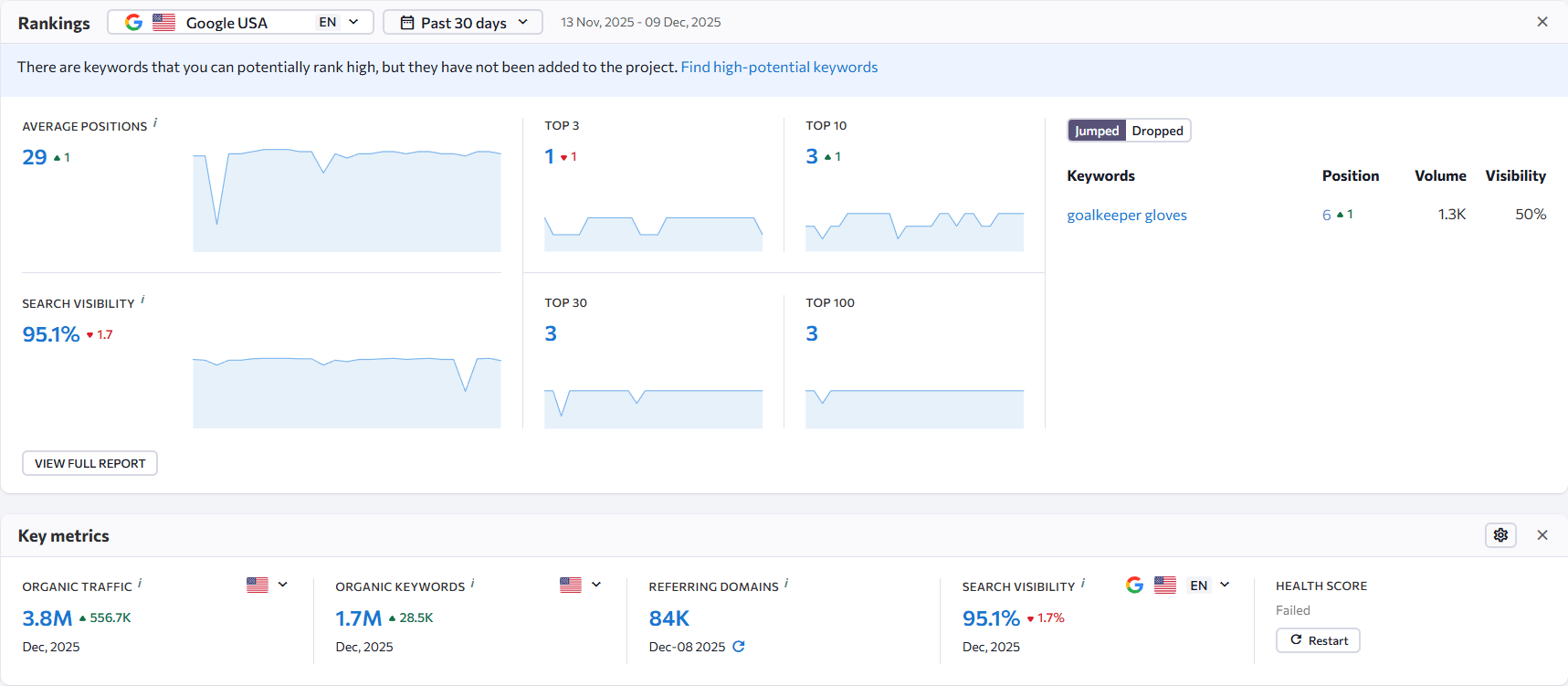
With modern SEO, it’s not just about one keyword — it’s about dozens, dozens of pages, and tracking performance over time. For that, SE Ranking stands out.
SE Ranking
- Tracks rankings daily across global and local markets — including by region or city if needed. That means if you target specific countries or local audiences, you see exactly how your pages perform.
- Lets you monitor dozens or hundreds of keywords simultaneously — ideal for affiliate sites, content hubs, or multiple clients.
- Provides visibility metrics: not just “is it top 10”, but how visible your domain is overall, how many keywords rank, and fluctuation patterns over time.
- Allows you to detect SERP-feature changes (e.g. featured snippets, video/SERP mix, local packs) — useful if you chase featured-snippet traffic or SERP diversity.
Ubersuggest
- Offers simpler rank tracking, usually oriented toward small sets of keywords — fine for a hobby blog or small site.
- Update frequency and data depth tend to be limited compared to tools built for volume. If you track many keywords or need frequent updates, you’ll hit constraints sooner.
- Lacks advanced visibility metrics and SERP-feature detection tools — so you get a snapshot, not a full visibility dashboard.
What this means:
If you only track 5–10 keywords for a small website, Ubersuggest may be enough. But for serious content operations, affiliate sites, or anything beyond small-scale SEO, SE Ranking gives the data depth, flexibility, and reliability you need.
SE Ranking rank tracking
Keyword Research & Competitive Insights
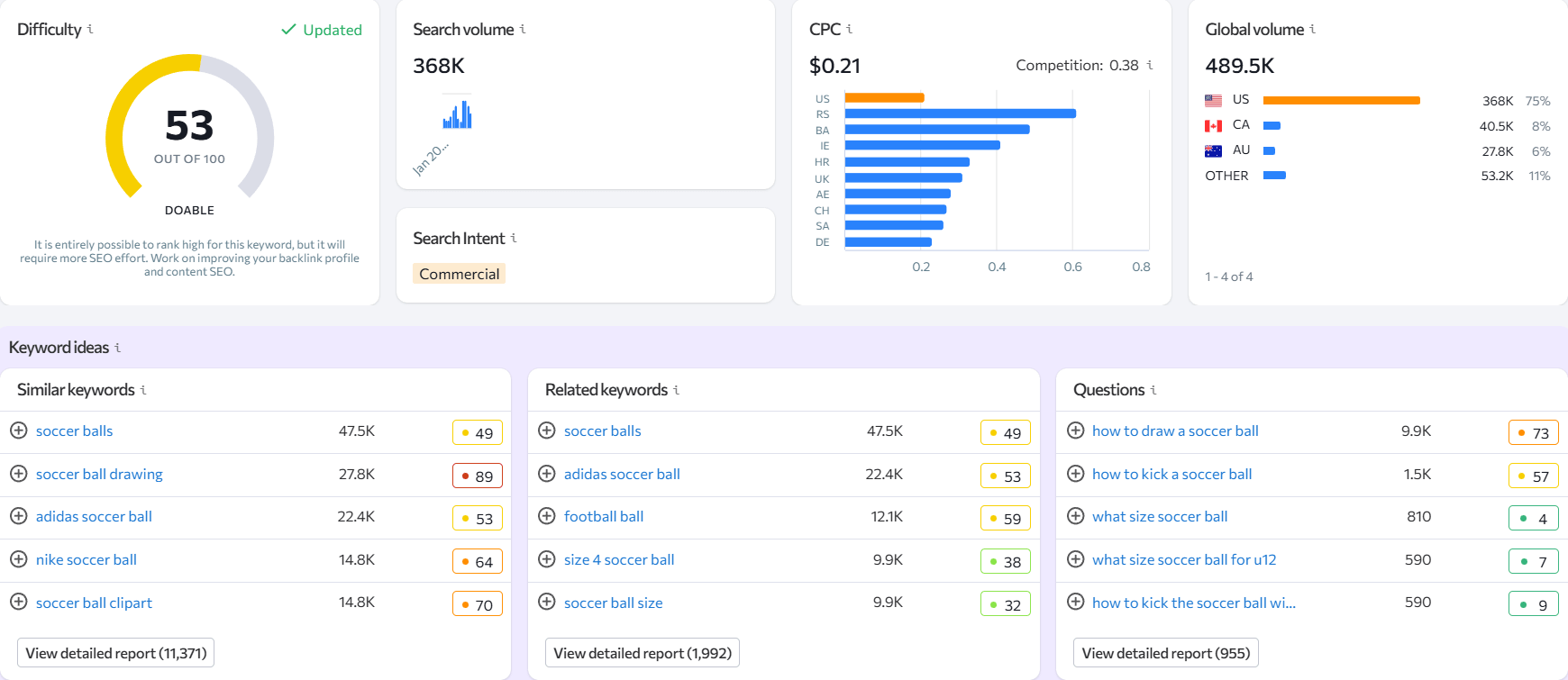
Keyword research is more than checking search volume or judging how hard a term might be to rank for. It involves analyzing the landscape of competitor rankings, uncovering long tail phrases that signal real user intent, and shaping a content strategy that follows clear data instead of guesswork. When you understand where gaps exist, which topics drive meaningful traffic, and how search trends shift over time, you can build a roadmap that supports consistent growth.
SE Ranking
- Lets you analyze competitor domains to uncover their ranking keywords, traffic estimates, and content gaps — great when you build content strategies with competitor-based insights.
- Gives manageable long-tail keyword suggestions with accurate difficulty and search-volume data — valuable for niche sites or competitive niches alike.
- Allows grouping keywords into topic clusters — useful if you plan content silos, pillar-cluster strategies, or large-scale content plans.
- Lets you track how competitor rankings shift over time, helping you adapt content and targeting.
Ubersuggest
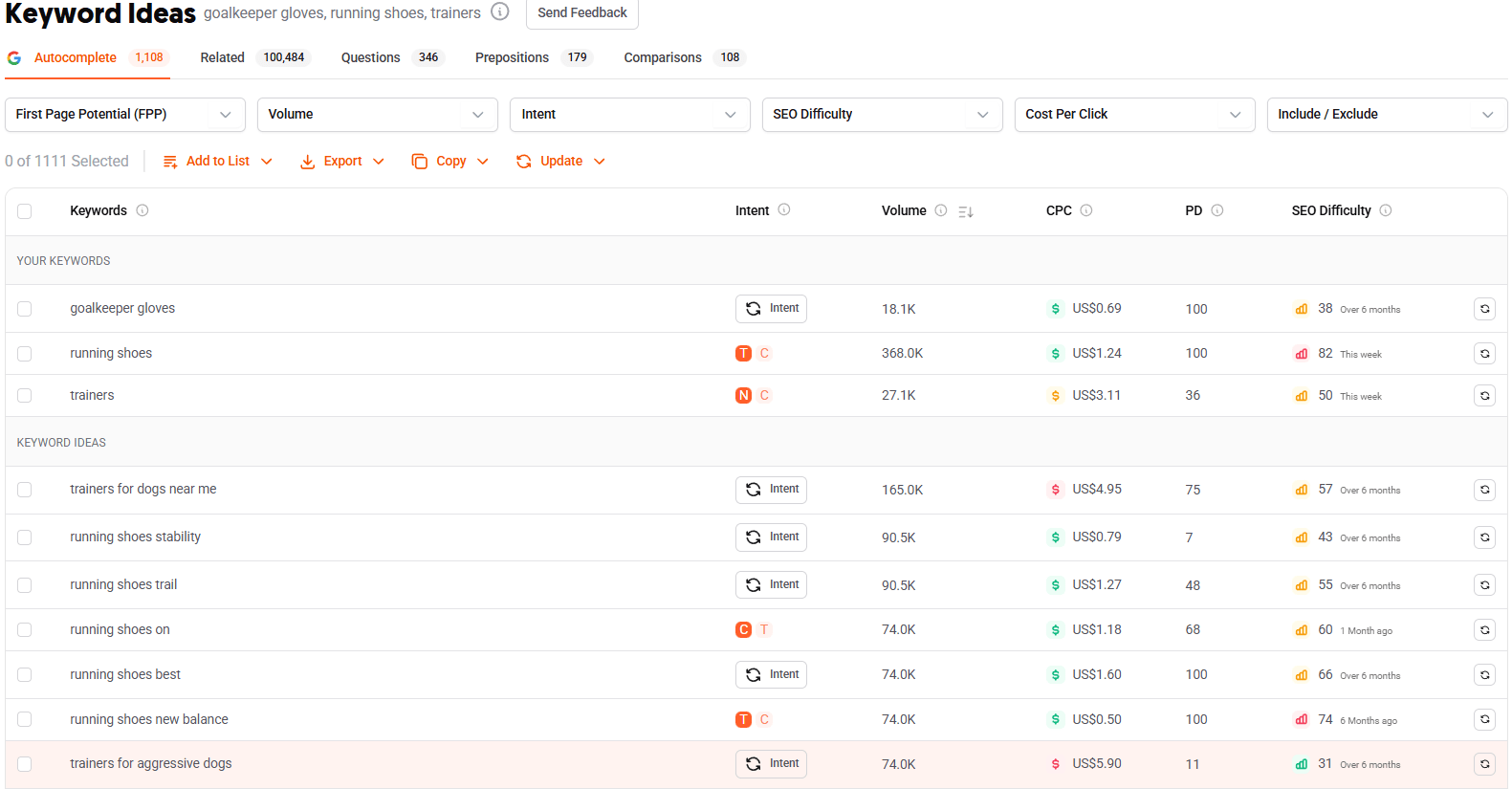
- Provides easy-to-use keyword suggestions: enter a seed keyword, get related search terms, search volume, basic difficulty metric, and top-ranking pages. That’s enough for basic blog planning.
- Offers content-idea suggestions based on top-ranking pages for seed keywords — helps new bloggers brainstorm post ideas quickly.
- Simpler interface — lower learning curve, good for beginners or those doing limited SEO work.
Where Ubersuggest lags behind
- Less precise data for keyword difficulty compared to more advanced tools.
- Limited competitor-domain insight — you get basic top-pages, but not full competitor keyword-sets or gap analysis.
- No advanced keyword clustering, long-term content roadmap tools, or deep competitive research.
What this means:
If you’re launching a small blog and just experiment with keywords — Ubersuggest is easy and cheap.
If you’re serious about content strategy, niche targeting, or building a content empire — SE Ranking brings the data, structure, and competitive insight you need to plan effectively.
SE Ranking Keyword Research Overview
Ubersuggest Keyword Research Overview
Site Audit & Technical SEO
Content and keywords are only one part of SEO. If your site has technical issues — broken links, slow pages, crawl errors — even the best content may struggle. Good site audit tools help catch those problems early.
SE Ranking
- Offers a full site audit tool that crawls your domain, checks metadata, analyzes page speed, mobile-friendliness, internal link structure, image issues, broken links, and more.
- Gives clear issue categorization: high, medium, low severity — helps you prioritize fixes that actually impact SEO.
- Lets you schedule recurring audits and monitor improvements over time — great for ongoing maintenance of affiliate sites, client sites, or large blogs.
- Tracks technical health across multiple domains — ideal for agencies or multi-site owners.
Ubersuggest
- Offers a simpler site audit module — capable of finding basic issues (on-page problems, missing metadata, obvious errors).
- Best for small websites or quick checks — but lacks depth, automation, and advanced crawling capabilities that larger or more complex sites need.
What this means:
If you run a small, static site with few pages, Ubersuggest’s audit may be sufficient.
If you manage a bigger site, publish frequently, or want to ensure SEO hygiene over long term — SE Ranking’s audit toolkit pays off.
Backlink & Competitive Link Analysis
Backlinks still play a huge role in SEO — but not all backlink tools are equal. Depth, freshness, and analytical features matter.
SE Ranking
- Provides backlink checker + monitor: see total backlinks, referring domains, anchor distribution, new/lost links, toxic link identification.
- Lets you compare your backlink profile with competitors: find backlink gaps, spot opportunities competitors use, and adjust strategy accordingly.
- Useful for both SEO campaigns and link-building projects: you can track acquired links over time, monitor link growth or attrition, and spot potentially harmful links.
Ubersuggest
- Offers a basic backlink overview: total backlinks, some referring domains, top referring domains — enough to get a rough sense of link profile.
- Works for quick backlink audits, small sites, or beginners who want a sense of link authority without deep investment.
- But lacks depth: smaller index compared to premium backlink databases, fewer metrics (e.g. link-age, toxicity, link-history), and less control over backlink auditing.
The bottom line:
For serious link-building, outreach, competitive analysis, or managing multiple sites — SE Ranking’s backlink data and monitoring gives clear value.
For lightweight SEO or initial backlink checks — Ubersuggest can suffice, but you’ll likely hit its limits as you scale.
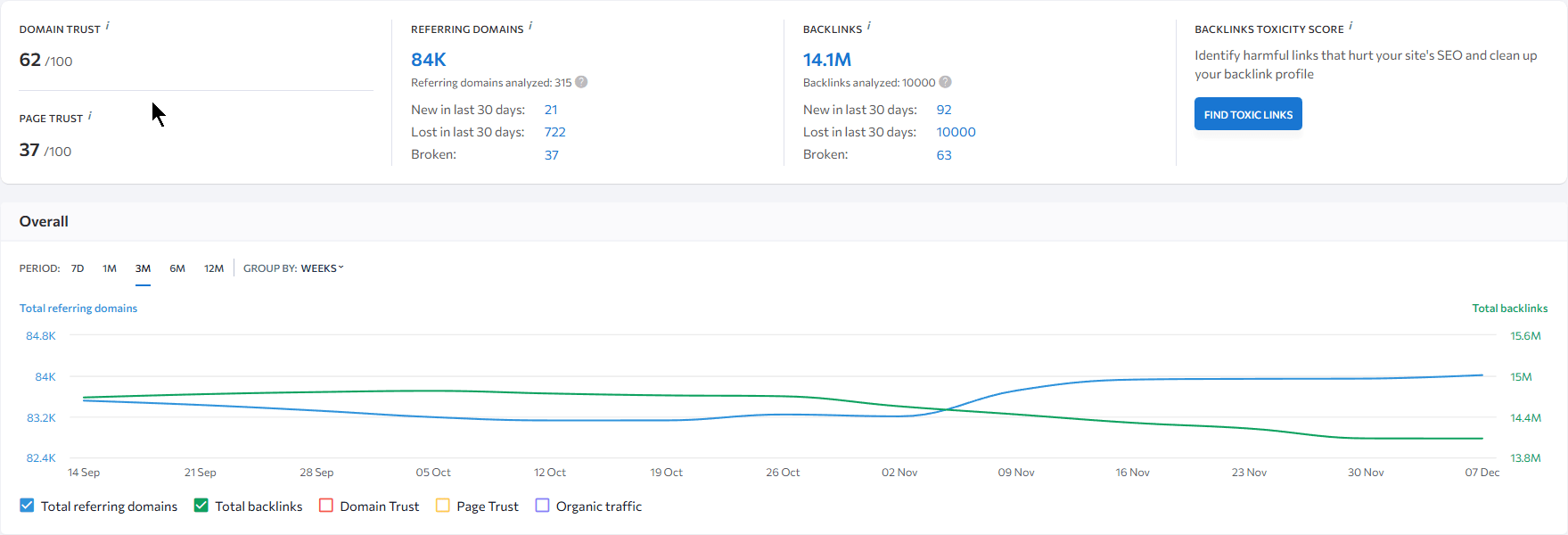

SE Ranking Backlink Overview
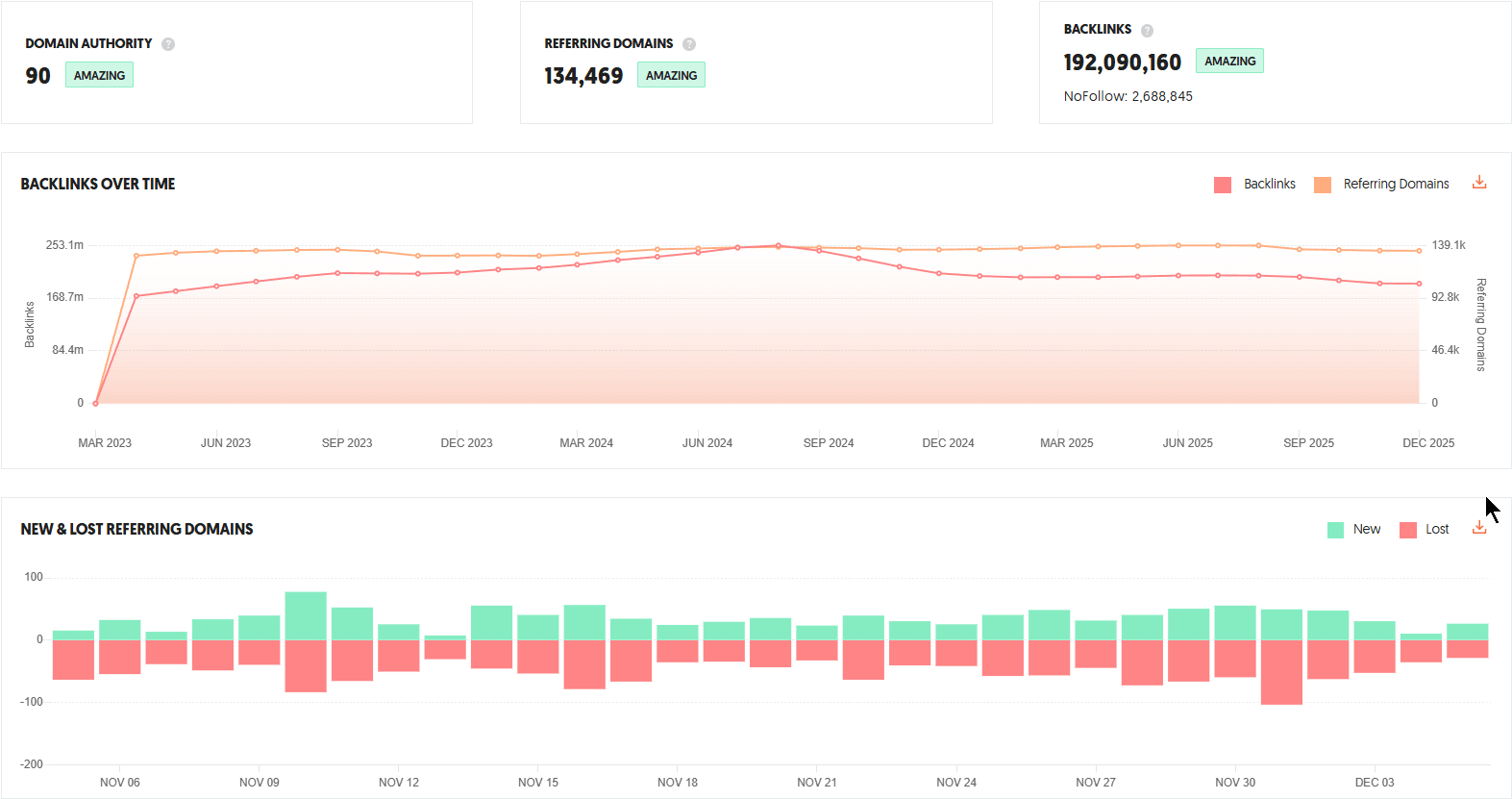
Ubersuggest Backlink Overview
Usability, Learning Curve & Workflow Integration
Feature richness means nothing if the tool is clunky or too complex. Usability and workflow integration matter — especially if you work with multiple team members, writers, or clients.
Ubersuggest — Simple, Light, Beginner-Friendly
Ubersuggest focuses on simplicity: a clean interface, a straightforward workflow, and minimal overhead. For a solo blogger or beginner site owner, that’s often more than enough. You type in seed keywords, get suggestions, maybe run a quick audit or backlink check — done.
Because it’s lightweight, you can use Ubersuggest without needing prior SEO knowledge. No steep learning curve, no complex settings. That makes it appealing for beginners or for people who don’t want to spend hours on tool management.
SE Ranking — Powerful, Slightly Steeper, But Scales
SE Ranking does a lot, which means more features to understand. But once you set it up, it becomes a central hub: keyword planning, rank tracking, audits, link monitoring, competitor research, reporting — all in one place.
Yes — there’s a learning curve compared to Ubersuggest. But for affiliate marketers, agencies, or serious content publishers, having one reliable platform that handles everything is worth that ramp-up.
For teams or multiple-site owners, the benefit is huge: centralized data, organized projects, consistent tracking, and more control.
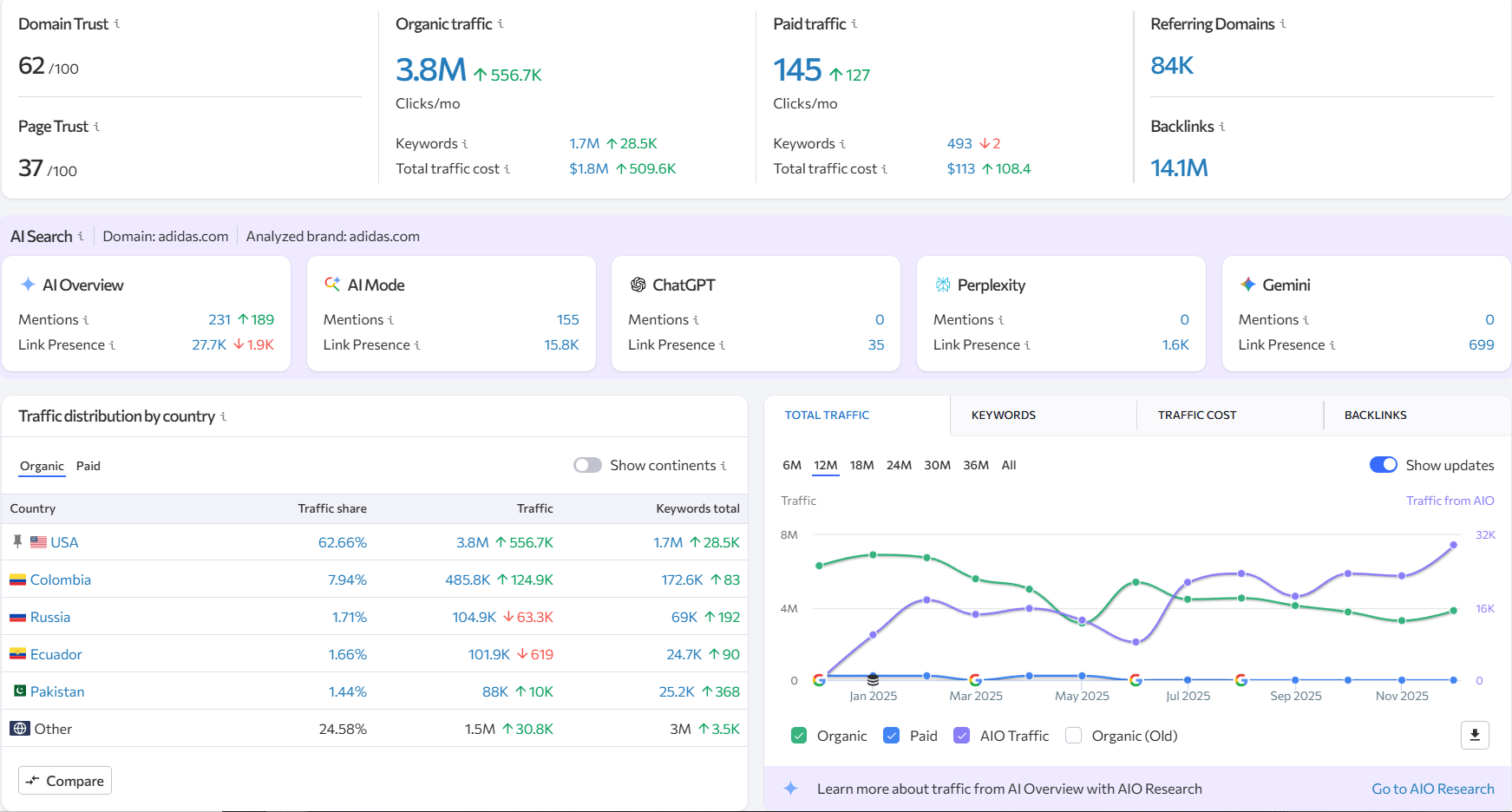
SE Ranking Keyword Competition Overview
Why Quality & Depth Matter
Picking a tool isn’t just about what’s cheapest today — it’s about what supports growth tomorrow.
- If your site remains small, you may never feel Ubersuggest’s limitations. But once you scale — more posts, more pages, more keywords — weak rank tracking, shallow backlink data, or limited audits can hold you back.
- SEO isn’t a one-time thing: you publish, track, optimize, audit — and repeat. A tool that supports that full cycle (like SE Ranking) becomes an investment, not just an expense.
- For affiliate marketing, competition is tough. Long-tail keyword research, competitive gap analysis, backlink outreach and maintenance — all benefit from data depth, accuracy, and consistent tracking.
In other words: using a weak tool when you need a strong one doesn’t save you money — it costs you traffic, rankings, and growth potential.
Test the Difference for Yourself
If you want to confirm the difference for yourself, test SE Ranking with the free trial. Run a site audit, track your target keywords, explore the backlink data and see how much actionable insight you gain within the first two weeks.
Prefer something lighter to begin with — maybe just keyword research or occasional audits? Try Ubersuggest and get a feel for what works for you now.
Choosing the Right Tool Based on Site Type and Growth Plans
For small, single-domain websites that publish occasionally, Ubersuggest can feel comfortable. The interface is simple, keyword suggestion outputs load quickly, and the content-idea panels help inexperienced writers outline articles without needing a full SEO strategy. Someone running a lightweight travel blog or micro affiliate project can validate keywords, check competition, and build initial content direction without complexity.
Ubersuggest fits best when:
- Your site is small and you only publish occasionally
- Keyword ideas are all you really need and you prefer a straightforward interface
- Technical checks are rare and you only run audits from time to time
- Your content plan is still taking shape and you are not relying on deep data yet
- You are exploring a niche and want to keep costs low while you validate it
Once your publishing cadence increases and competition tightens, the limitations of surface-level data become noticeable. If you operate independently but handle multiple projects, or you’re shaping content clusters that eventually drive a majority of your revenue, SE Ranking becomes more practical. It gives competitive keyword insights, comprehensive technical auditing, backlink analysis, and ranking depth that helps you adjust content paths with purpose.
SE Ranking fits best when:
- You handle several sites or projects and want everything organized in one place
- Ongoing rank tracking and competitor analysis play a major role in your decisions
- Your content strategy relies on clusters and you need dependable keyword grouping
- You operate in a competitive niche where accurate data, SERP checks, and backlink intel matter
- Clear SEO reporting is important because clients or stakeholders expect real progress updates
Local-service brands also see more value in SE Ranking. When visibility depends on appearing not only in organic positions but also in maps, local pack placements, and city-specific variants, the ability to track performance by location becomes central. Ubersuggest can assist with broad research, but it doesn’t offer structured local rankings or deep auditing, especially when mobile experience, performance, internal linking, and structured data influence map placement. SE Ranking’s audit depth and rank-tracking flexibility match those demands.
Freelancers and agencies often rely on a wider toolkit than a small business or blogger. When reports are part of the service, results must be visible, measurable, and defensible. SE Ranking’s reporting structure and keyword capacity align with multi-site workflows. That applies when several domains undergo audits simultaneously or when reporting cycles must highlight progress. Ubersuggest’s report format works for small engagements, but not as a core deliverable for larger retainers.
Affiliate marketers see an even greater separation between these tools once they start competing in revenue-dense spaces. When every ranking position matters, keyword clusters, real traffic estimates, and SERP-feature tracking dictate content deployment. Ubersuggest can list keywords. SE Ranking helps you identify what is realistically attainable, what needs improvement, and what your direct competitors are using to dominate. In monetized, saturated niches, that level of clarity compounds into actual earnings.
If your roadmap includes expansion, structured content architecture, and reliable optimization cycles, SE Ranking aligns with that ambition. If you’re still exploring SEO, experimenting with niche concepts, or learning keyword foundations before scaling, Ubersuggest offers a cheaper gateway without the weight of learning a full platform.
Ready to test the difference on your own site?
Deep Feature & Capability Comparison — What the Data Actually Tells You
When you compare SEO tools, what really matters isn’t packaging — it’s precision, depth, and whether the data you get can support real-world decisions. Below we compare how SE Ranking and Ubersuggest perform when you push them far: tracking many keywords, auditing full sites, analyzing backlinks, and competing in saturated niches.
Rank Tracking & SERP Monitoring
SE Ranking
From small blogs to large affiliate networks, SE Ranking handles extensive rank-tracking reliably. It supports daily tracking across multiple locations, devices, and search engines — which means you can monitor local SEO (city-level), global campaigns, or multi-language setups simultaneously. On Pro/Business tiers, you can track thousands of keywords, monitor rank fluctuations, and even detect changes in SERP features (featured snippets, video blocks, map packs).
This real-time, high-volume tracking is essential if you run content clusters or manage multiple properties: seeing which pages drop, which recover, and which SERP features shift helps you decide when to update content, optimize for CTR, or build backlinks.
Ubersuggest
Ubersuggest offers basic rank tracking — generally suitable for small sites or a handful of keywords. It works when you’re tracking a few core terms, but once you try to scale (dozens of keywords, multiple locales, or frequent updates), the limitations become obvious: less frequent data refresh, no advanced SERP-feature monitoring, and limited support for local or multi-regional tracking.
That means Ubersuggest can give you a snapshot but not a continuous, data-rich view of how your SEO efforts evolve — which may be enough early on but unreliable for serious scaling or competitive niches.
Why that matters: In aggressive niches — highly competitive affiliate, affiliate-marketing, service-based SEO — small ranking drops or gains can shift traffic and revenue dramatically. If you’re serious about capturing or defending top positions, real-time, robust tracking like SE Ranking’s becomes the backbone of your SEO strategy.
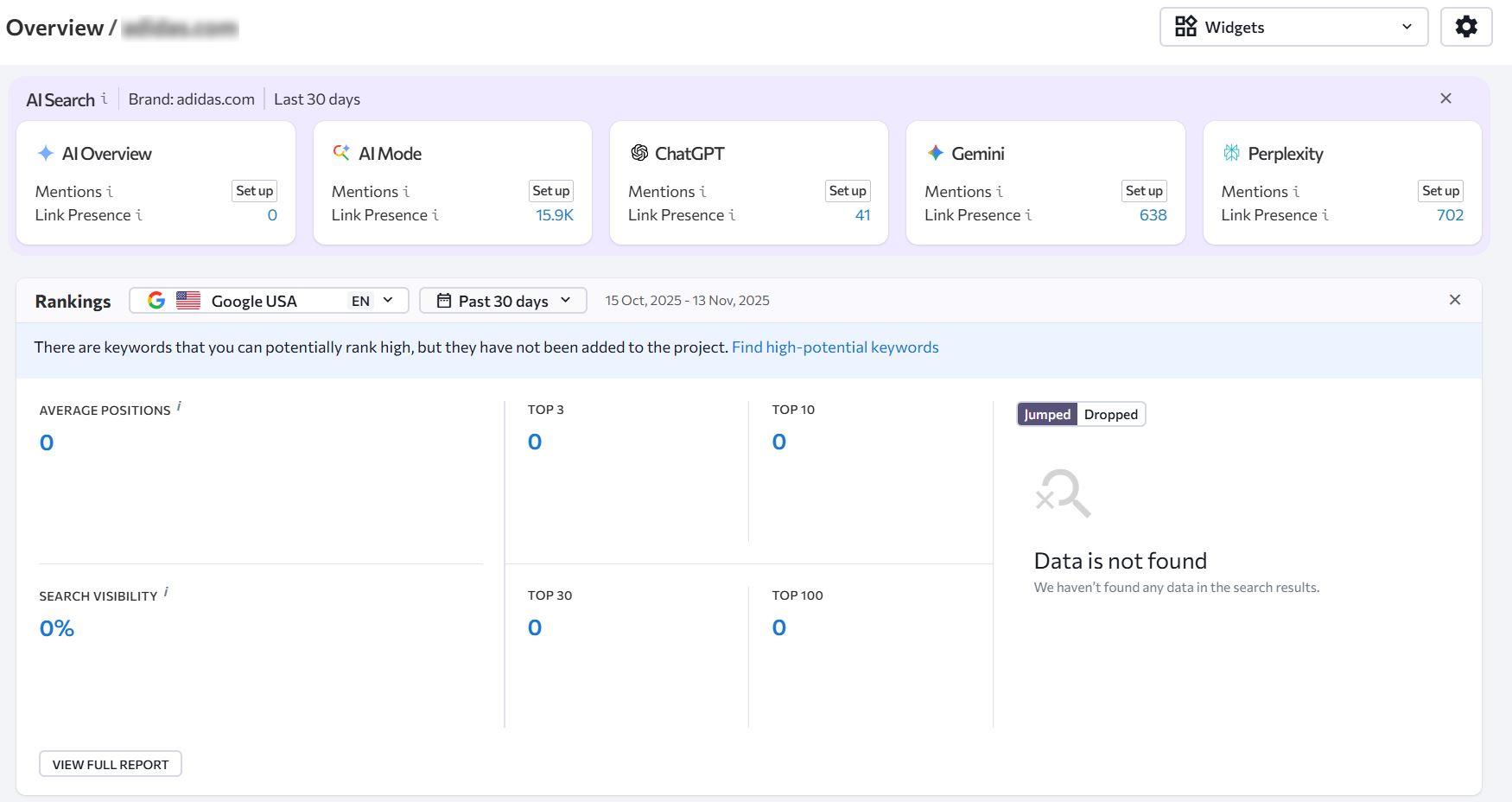
Keyword & Competitive Research Depth
SE Ranking
When you need more than blog-post ideas, SE Ranking’s research tools give actionable intelligence. It provides competitor domain analysis: discover which keywords they rank for, what pages drive their traffic, and where content gaps lie. Because you can monitor multiple languages/regions and gather long-tail variants, this makes building content silos — or content clusters — much more data-driven.
For affiliate publishers or competitive content sites, this is a massive advantage: you don’t guess what to write next — you know which keywords are underrepresented, what your competitors rank for, and where you have a chance.
Ubersuggest
On the surface, Ubersuggest offers keyword suggestions, search volume, difficulty estimates, and basic competitor-overview. For casual blogging or small niche sites, that can be enough. It’s quick, simple, and cheap. But for deep strategic planning — clusters, competitive gap exploitation, international or multi-niche scaling — Ubersuggest’s data usually lacks the breadth, granularity, and reliability. Data can be superficial, difficulty estimates approximate, and competitor insight limited.
Real-world implication: If you aim for long-term authority or content-rich affiliate clusters, Ubersuggest may help you launch the first few posts. But to dominate niches over time — especially competitive or high-volume ones — SE Ranking gives tools that let you build with depth and foresight.
Site Audits & Technical SEO
SE Ranking
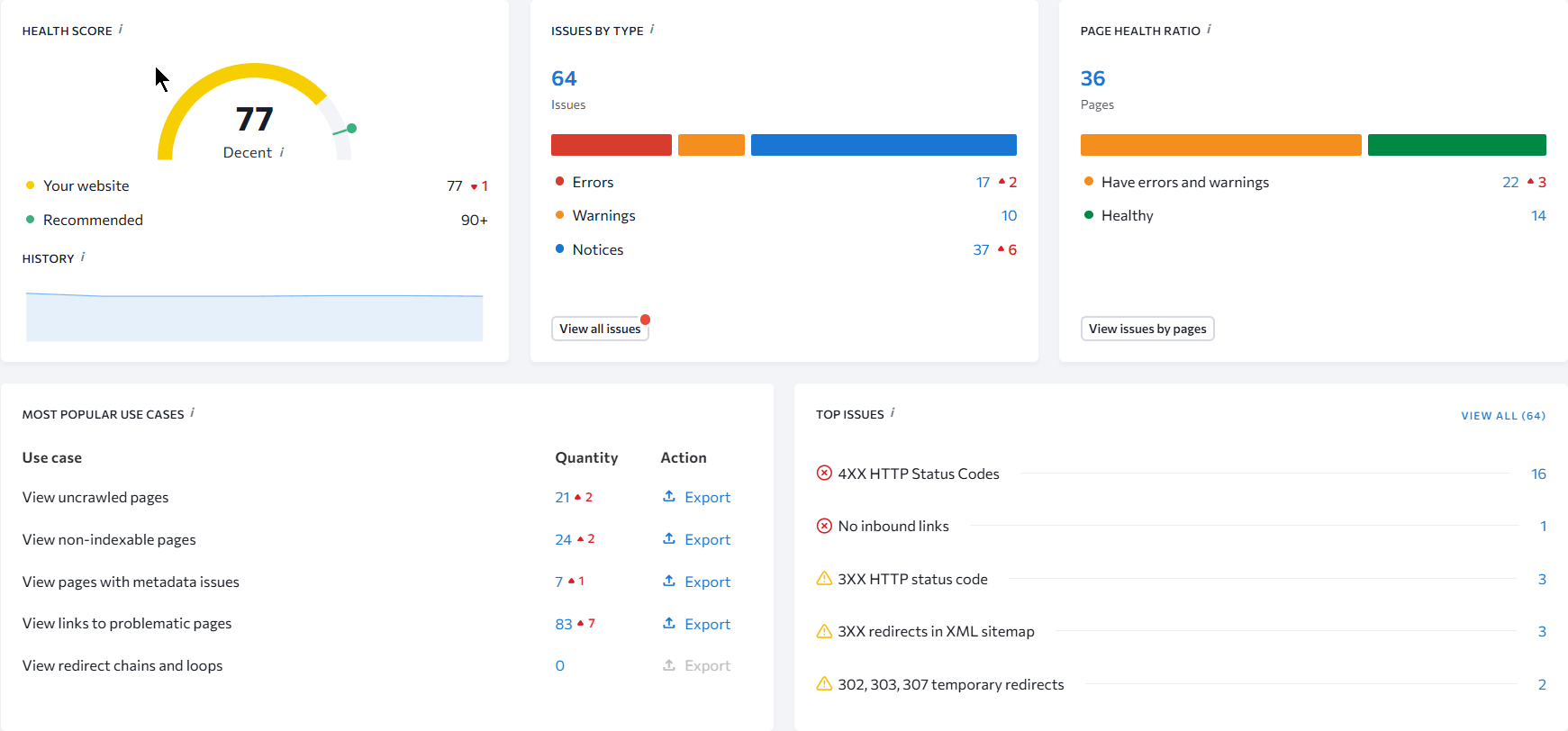
Massive sites, blogs with hundreds of posts, or multi-site networks require rigorous maintenance. SE Ranking’s audit tool is capable: it crawls pages broadly, flags metadata issues, performance problems, broken internal links, duplicate content, structured data warnings, Core Web Vitals issues, and more. It shows issue severity, so you can prioritize fixes that affect indexing or ranking.
For growing sites — especially affiliate networks, content hubs, or multi-niche blogs — this ensures you don’t lose traffic because of technical debt. The “schedule audit + monitor over time” capability lets you keep a clean, healthy site even as content scales.
Ubersuggest
Ubersuggest includes a basic audit module — useful for small sites or occasional checks. It detects some on-page issues (meta tags, missing alt text, obvious SEO basics), but lacks deep crawling, performance monitoring, or advanced technical checks. For small, static sites with limited pages, it’s acceptable. For anything ambitious, it’s not enough.
Why this matters: Technical SEO isn’t optional at scale. As sites grow, poorly optimized pages, broken links, slow load times, or crawl errors accumulate and can drag down rankings. Having an audit tool with depth, volume, and scheduling — like SE Ranking’s — becomes vital for site health and long-term growth.
SE Ranking Pros & Cons Overview
Pros
- Deep, accurate data on rank tracking, keyword research, backlink index, site health
- Scalable for multiple sites, clients, or large content networks
- Advanced technical SEO tooling and scheduling for audits
- Competitive intelligence: keyword gaps, link gaps, SERP-feature monitoring
Cons
- Slight learning curve compared to simple tools
- Higher cost than budget tools (though value justifies it as you scale)
Ubersuggest Pros & Cons Overview
Pros
- Affordable entry price, accessible for beginners or small blogs
- Easy to use, low learning curve, quick keyword ideas
- Good for small-scale content sites, blog hobbyists, or limited-scope projects
Cons
- Limited data depth (backlinks, audits, regional SERPs)
- Weak support for scale (many keywords, many sites, multiple clients)
- Incomplete toolset for serious SEO operations or competitive niches
Test The Depth Before You Commit
Want to see how deep SEO data can go? Try tracking multiple keywords, audit a full site, and explore backlink profiles — all at once.
If you’re just exploring SEO, beginning with a small site or want to test the basics without complexity — you can start with Ubersuggest, but go in knowing its limits.
Final Verdict: Which One Should You Choose in 2025?
If you’ve made it through the comparison so far, you already understand that SE Ranking and Ubersuggest serve different missions. They aren’t interchangeable SEO tools sitting on similar shelves — they’re built around different levels of ambition.
Ubersuggest earns its place as a simple, inexpensive starting point. For someone dipping their toes into SEO for the first time, experimenting with content, or validating a niche concept, its keyword ideas, basic audits, and content inspiration panels are a low-barrier gateway toward understanding how search works. A small personal site, a young blog still finding its direction, or a low-stakes project built slowly can rely on Ubersuggest comfortably without feeling the cost of a larger platform.
Once you step beyond that early stage, however, the differences are no longer philosophical — they’re practical. Anyone operating more than one site, publishing consistently, competing for commercial-intent keywords, or managing optimization cycles eventually needs deeper rank data, structured auditing, keyword clustering, competitor inventories, backlink analysis, and reliable reporting. These are the pillars that sustain real growth in SEO-driven businesses, affiliate properties, agencies, and multi-project portfolios. This is where SE Ranking isn’t just better — it fits the work.
Think about your trajectory. If your long-term plan involves scaling your content into topic clusters, capturing demand gaps from competitors, maintaining strong technical health as your site grows, or defending your presence against higher-authority sites, SE Ranking becomes the strategic choice. The tool’s technical audit capacity, multi-region rank tracking, domain-level competitive insight, backlink overlays and long-tail keyword intelligence give you an accurate view of opportunity and risk that simply doesn’t exist inside Ubersuggest.
That’s why our readers who operate small agencies, affiliate systems, or multi-domain content networks often transition from Ubersuggest to SE Ranking as they grow. The shift isn’t emotional — it’s based on what their workflows eventually require. Advanced monitoring, accurate ranking snapshots, full-site audit visibility, regional search tracking and clean reporting become too important to ignore. Even solo site builders feel the difference once their articles start ranking and optimization becomes a constant discipline instead of a loose hobby.
If you’re scaling professionally, or are planing to in the future — SE Ranking pays for itself by the second or third content cycle. When your articles depend on precise keyword clusters, tracked ranking shifts, link-monitoring accuracy and a clear roadmap based on competitor data, the deeper insights translate directly into steady traffic development and higher market ownership.
That said, there is no shame in staging your journey. If you’re still early in SEO, testing niche potential, or working on a slow long-term build, Ubersuggest offers clarity at a very low cost. When the time arrives to demand more, you’ll notice the missing depth — and you’ll know it’s time to move on.
We’ve covered SE Ranking extensively in our internal evaluations and in our dedicated SE Ranking Review, where we benchmarked it against top industry leaders. And if you want to see how the platform aligns with global enterprise-level competitors, our Ahrefs Review 2025 and our breakdown Ahrefs vs SE Ranking show how data quality, backlink inventory, and keyword intelligence stack up. For those comparing broader ecosystem options, our Semrush Review 2025 offers additional context.
At the end of it all, the right decision comes down to trajectory. If you’re growing, SE Ranking is the professional-grade platform that can scale with you. If you’re learning or testing slowly, Ubersuggest is a friendly starting point.
| Feature | SE Ranking | Ubersuggest | Best Choice |
|---|---|---|---|
| Keyword Research Depth | ⭐⭐⭐⭐ Strong | ⭐⭐⭐ Good | SE Ranking |
| Rank Tracking Accuracy | ⭐⭐⭐⭐⭐ Excellent | ⭐⭐⭐ Decent | SE Ranking |
| Competitor Analysis | ⭐⭐⭐⭐ Strong | ⭐⭐⭐ Basic | SE Ranking |
| Backlink Database | ⭐⭐⭐⭐ Good | ⭐⭐ Limited | SE Ranking |
| Ease of Use | ⭐⭐⭐ Moderate | ⭐⭐⭐⭐⭐ Very Easy | Ubersuggest |
| Long-Term Pricing | 💰💰💰 Medium | 💰 Low | Ubersuggest |
| SEO Audit Quality | ⭐⭐⭐⭐ Strong | ⭐⭐⭐ OK | SE Ranking |
| Agency Use | ✔️ Agency-ready | ❌ Not ideal for agencies | SE Ranking |
| Beginner-Friendly | 👍 Good | 🌟 Excellent | Ubersuggest |
Want to understand how your SEO is actually performing across your entire site, not just the top-level numbers? Give SE Ranking a try with their full-feature trial and see the difference for yourself:
If you’re not yet sure and want to experiment with lightweight keyword checks and surface audits first, you can start simple with Ubersuggest and upgrade later as your needs evolve.