
Ubersuggest has come a long way from being a simple keyword generator. In 2025 it’s a compact SEO toolkit that gives beginners an easy way to explore keywords, track rankings, analyze competitors, and run quick website checks. It’s approachable, it’s affordable, and it removes the intimidation that many people feel when stepping into SEO for the first time.
But simplicity comes with a ceiling. As your website grows, you’ll notice gaps in technical depth, data accuracy and scalability. That’s why many users eventually graduate to full-suite platforms like SE Ranking, Semrush, or Ahrefs. This review helps you understand where Ubersuggest shines, where it struggles, and who will get the most value from it in 2026.
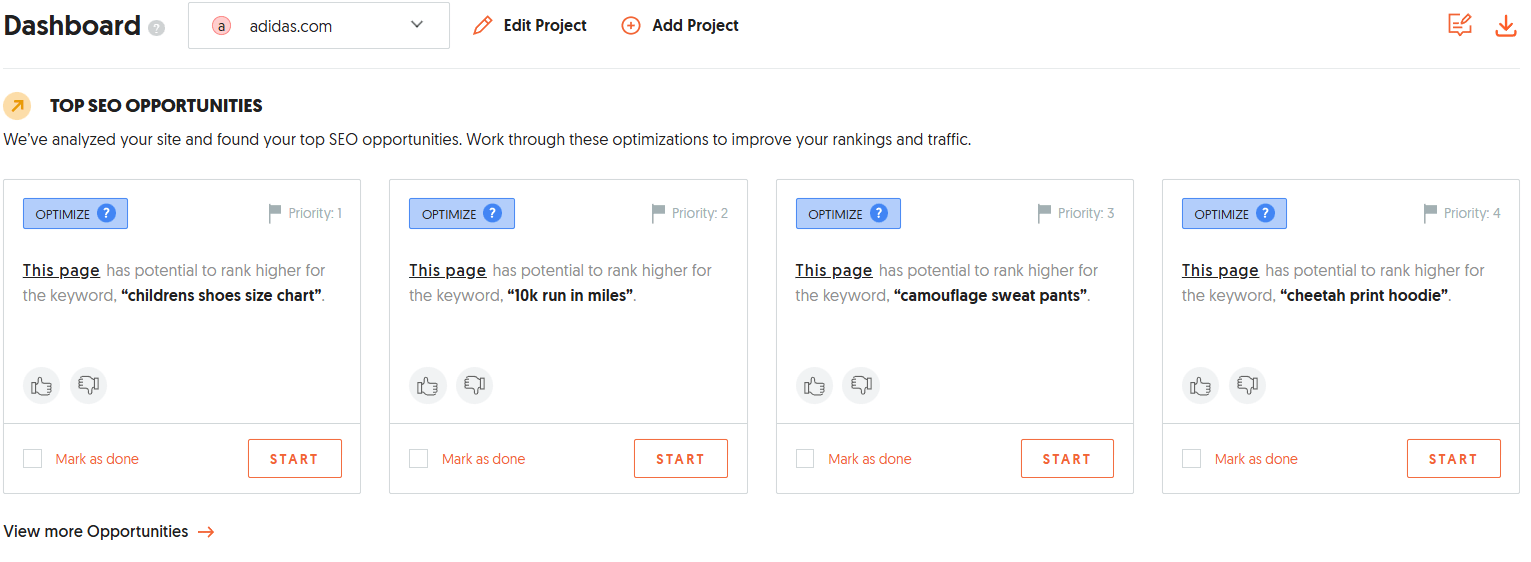
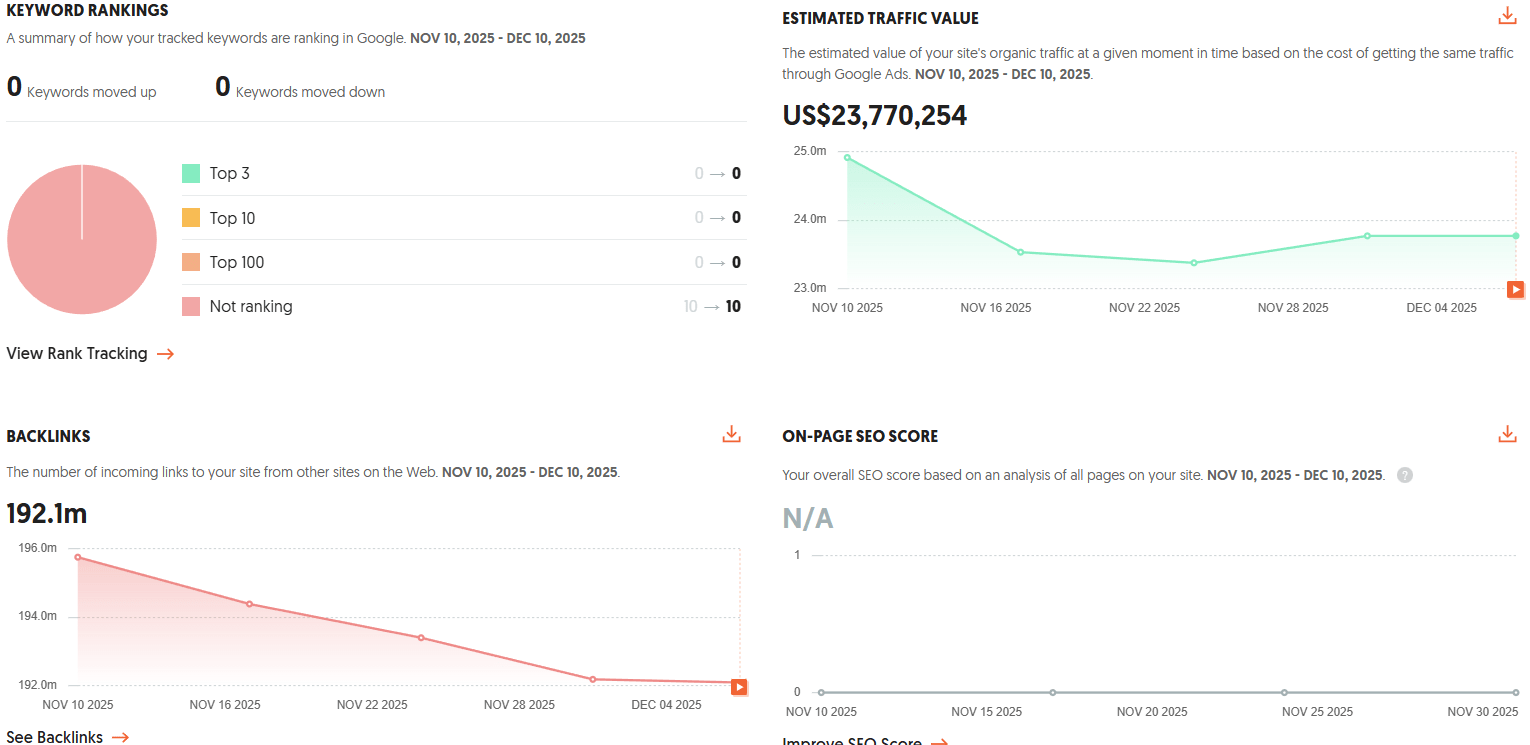
Ubersuggest Dashboard Overview
The dashboard gives a friendly overview of rankings, traffic, site health and quick wins. For someone just getting into SEO, it’s a refreshing experience. No clutter, no steep learning curve. You can run your first checks within minutes and start spotting opportunities even if SEO terminology is new to you.
Who Ubersuggest Is Designed For in 2026
Ubersuggest works especially well when you’re at the beginning of your SEO journey or managing a small website with simple goals. If you need a tool that lets you explore keyword ideas, check basic competitor metrics, run surface-level audits and create content without overthinking your setup, this is exactly what Ubersuggest is built for.
Small businesses, low-volume bloggers, freelancers and new affiliate marketers benefit the most because the platform gives them quick direction without forcing them through complicated workflows.
If your SEO needs are light and your website isn’t generating hundreds of pages or large content clusters yet, Ubersuggest gives you a smooth entry point into SEO without costing a fortune.
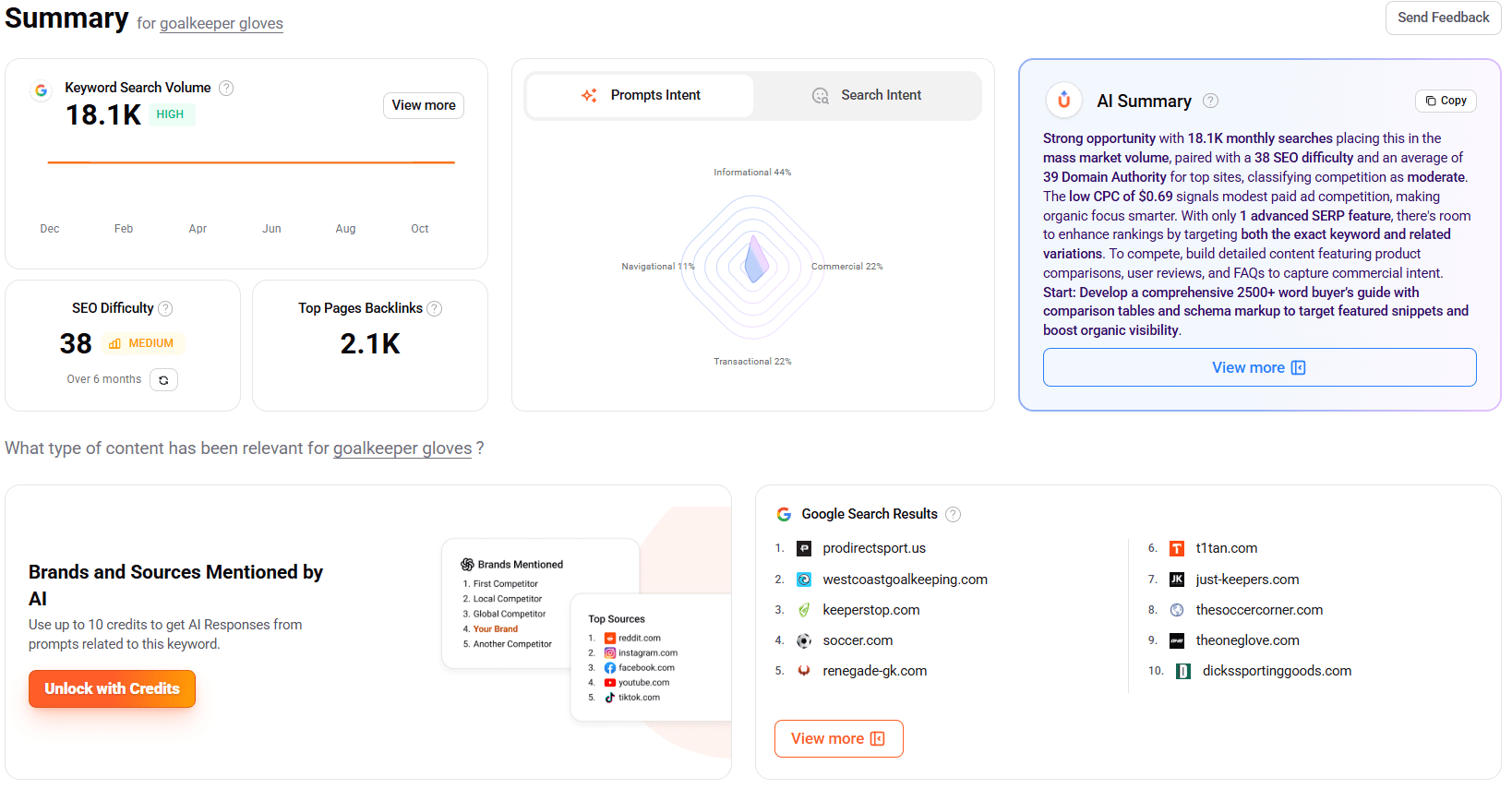
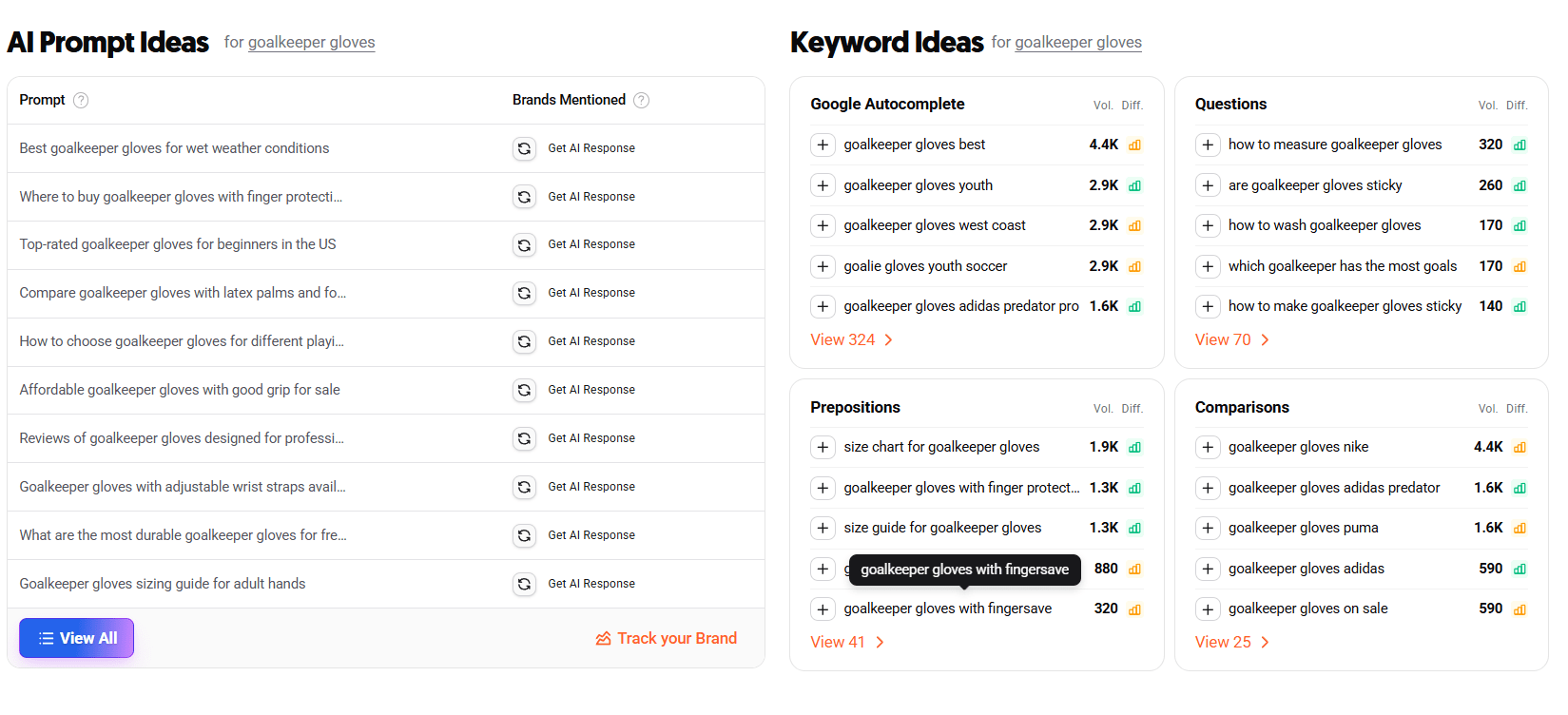
Ubersuggest AI Keyword Resarch
You’ll see a fast breakdown of search volume, difficulty, CPC and top-ranking pages. It’s simple, and for early-stage content planning, that’s often all you need.
What This Review Will Cover
To help you get a full picture of how Ubersuggest performs in 2025, this review walks you through:
❯ Pricing updates and what you truly get on each plan
❯ How accurate the keyword and competitor data is compared to stronger tools
❯ What you can (and can’t) achieve with the Site Audit
❯ How the Link Building module performs
❯ Whether the AI writing tools are genuinely useful
❯ When it’s time to upgrade to something more powerful
Throughout the review, you’ll also see reminders to connect this article to your internal posts such as Best Semrush Alternative (2025), SE Ranking Review, and Best Free SEO Tools for Small Businesses, which helps strengthen topical clusters and support SEO.
If you want to test Ubersuggest’s feel before we go deeper, the easiest way is to try its basic keyword tools. They show instantly whether the platform aligns with your workflow.
Pricing & Value: How Ubersuggest Positions Itself in 2026
Ubersuggest continues to position itself as one of the most affordable entry-level SEO platforms available. Its pricing structure is intentionally simple, with plans that scale mainly by limits rather than by restricting features. This makes it appealing to beginners who want to explore SEO without immediately jumping into high-cost tools like Ahrefs or Semrush (perfect internal link opportunities).
Plan Structure Overview
Ubersuggest generally offers three paid tiers:
❯ Individual — for one website or personal use
❯ Business — for small teams or freelancers
❯ Enterprise / Agency — for users managing multiple sites or larger workloads
All core features remain accessible across these plans, while limits on projects, tracked keywords, daily searches, site audit crawls, and AI credits increase as you move upward.
Here’s a clean table structure you can update with official numbers once verified:
| Plan | Monthly Price | Lifetime Price | Best For |
|---|---|---|---|
| Individiual | $29 | $290 one-time | New users, small sites, basic SEO tasks |
| Business | $49 | $490 one-time | Freelancers, small businesses, growing blogs |
| Agency / Enterprise | $99 | $990 one-time | Multi-site owners, agencies, high-volume SEO work |
Lifetime Access Option
One notable element in Ubersuggest’s pricing strategy is the recurring appearance of lifetime access offers. These promotions aren’t always active, but when they are, they significantly increase the platform’s perceived value. For budget-focused users and beginners who want predictable long-term costs, the lifetime deal often becomes the strongest argument for choosing Ubersuggest over more expensive competitors.
Free Tier & Limitations
A limited free tier is available, designed more as a demonstration than a working SEO toolkit. You can run a few keyword searches, preview site audits, and sample competitive data, but the caps are tight enough that most users switch to a paid tier within days. This is a natural place to point readers toward Best Free SEO Tools for Small Businesses (2025) for additional context.
Pricing Takeaway
Ubersuggest is ideal for site owners who want a low-cost, easy introduction to SEO. It gives you full access to its features without forcing you into the high monthly fees of larger platforms. The trade-off is depth — data accuracy, crawl quality, backlink coverage, and competitive insights still lag behind full-suite tools. If your site is in its early stages, Ubersuggest is cost-efficient. Once you begin scaling content, traffic, or clients, tools like SE Ranking or Semrush Review 2025 become more suitable.
Keyword Research
If you’re just starting out, Ubersuggest’s keyword tools feel refreshingly simple. Type in a keyword and you get the basics instantly: search volume, SEO difficulty, paid difficulty, CPC and a preview of the SERP landscape. For early-stage content planning, it’s more than enough.
Where the tool becomes limited is depth. Volume accuracy isn’t as strong as what you see in platforms like SE Ranking or Semrush, and long-tail expansion tends to be less exhaustive. Still, the ease of use makes Ubersuggest a great option for beginners.
To scale your research process, explore our curated list of the Best Keyword Research Tools for 2026.
Competitor Analysis
Ubersuggest includes a simple competitor module that shows:
❯ Which keywords your competitors rank for
❯ Content that drives their traffic
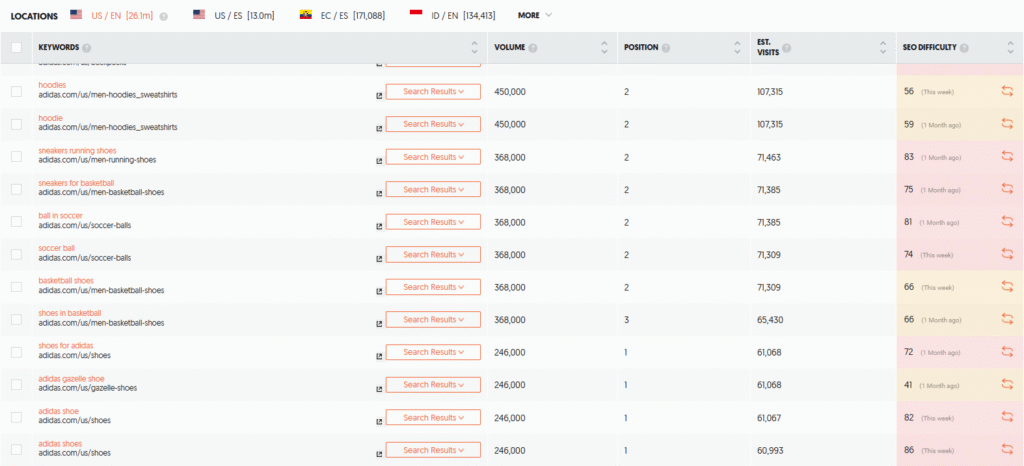
❯ Estimated monthly visits
❯ Basic domain metrics
For small sites, this feels empowering because you get quick clarity on what works in your niche. For more advanced SEO users, depth becomes an issue since the platform doesn’t provide the same granular filtering, SERP overlays or historical comparisons you get from larger tools.
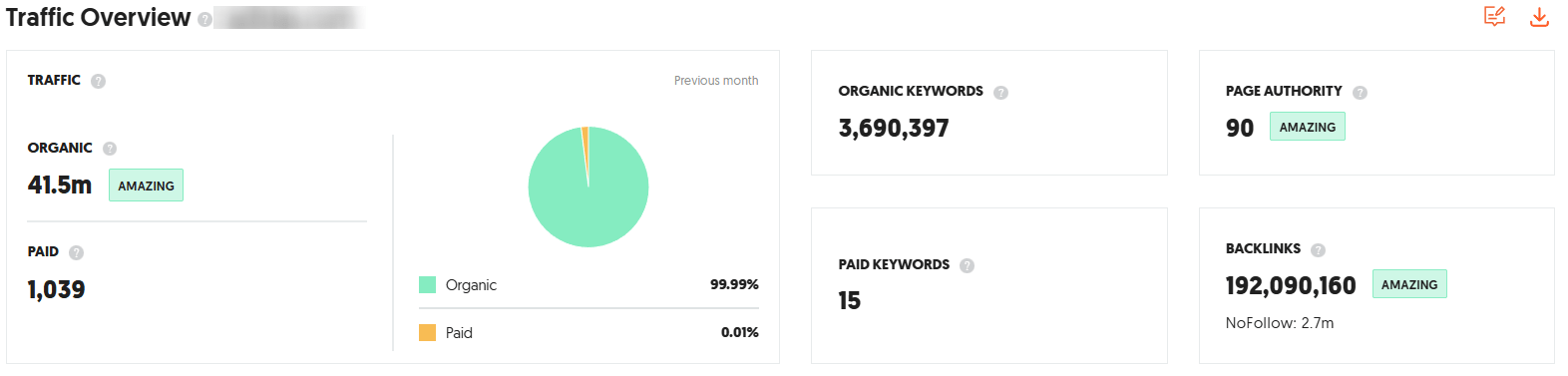
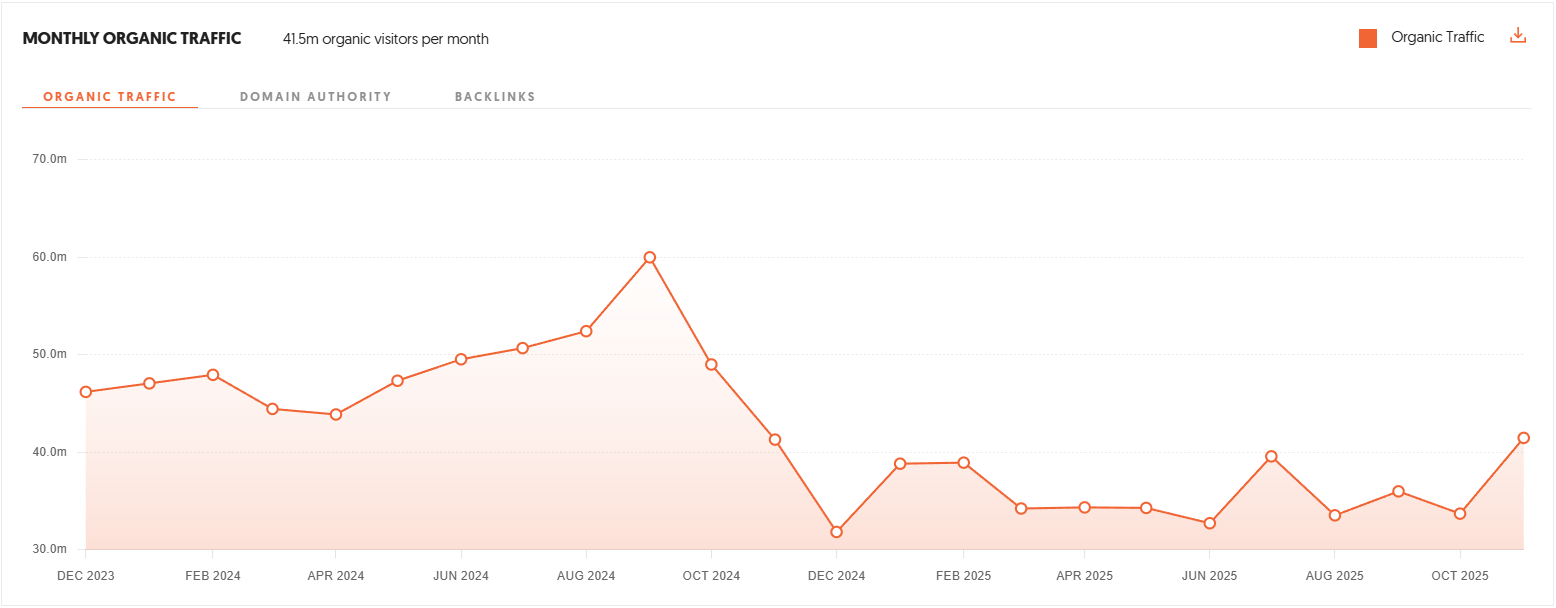
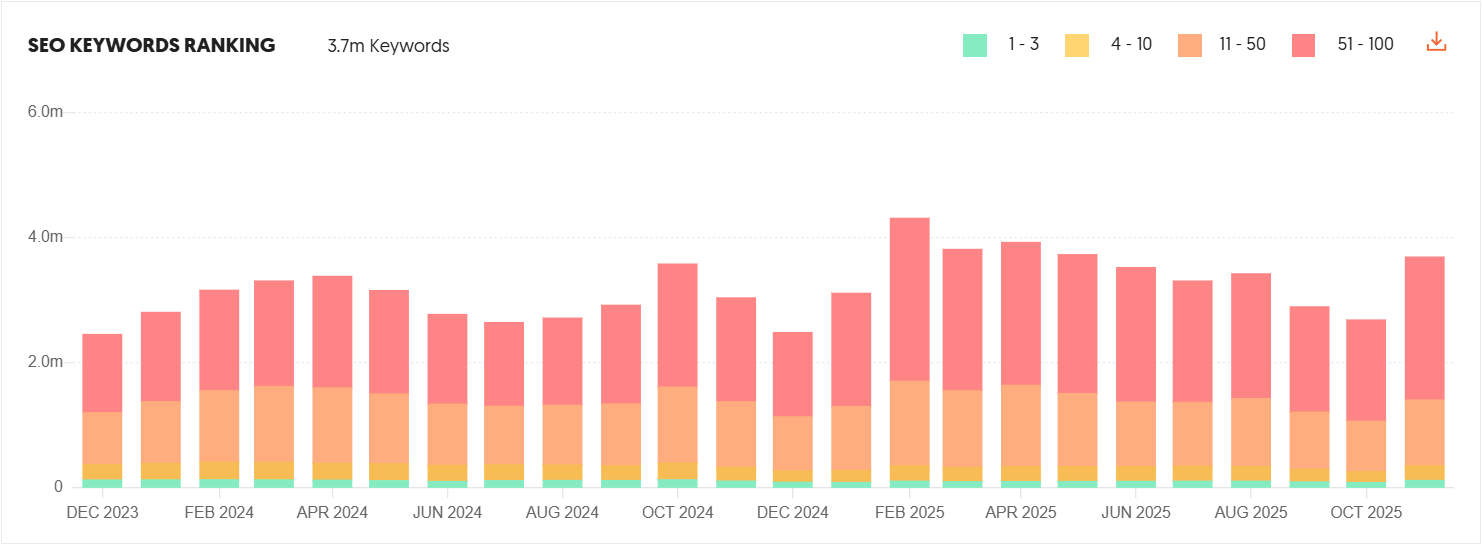
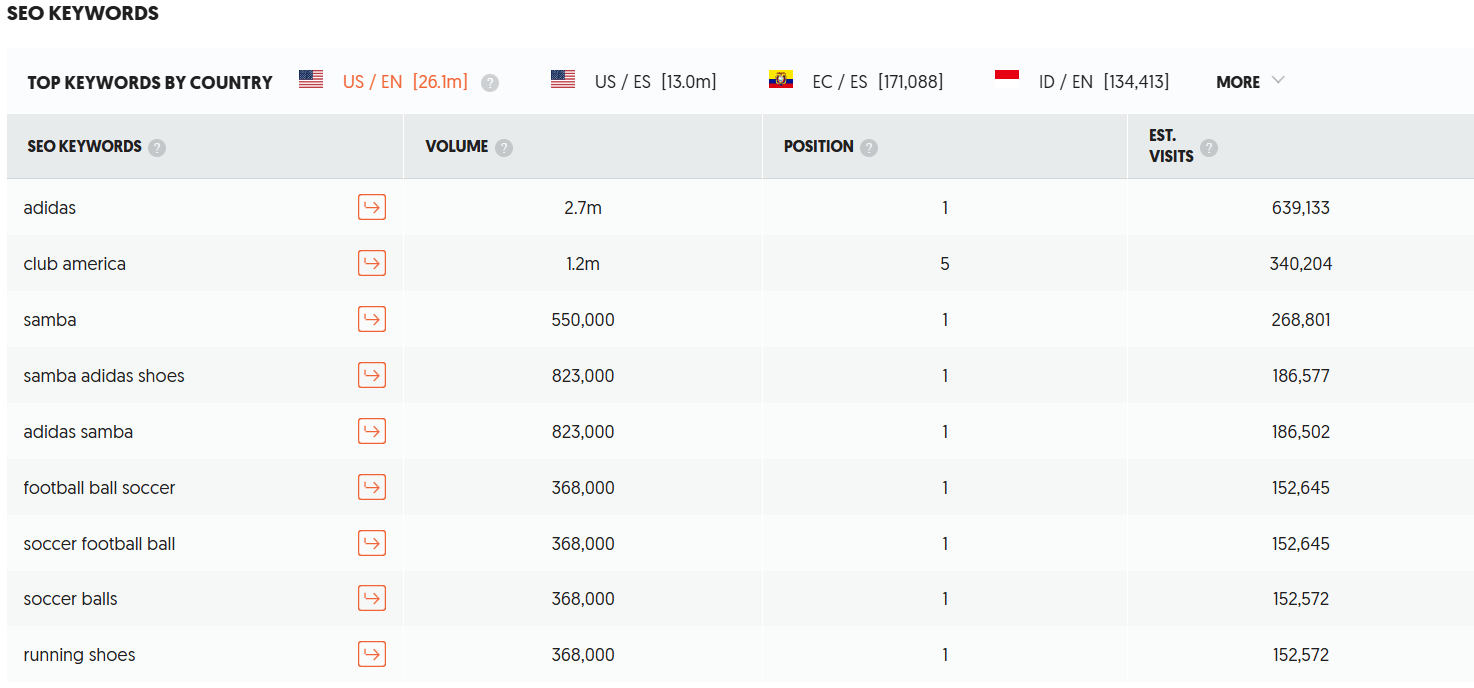
Ubersuggest Competitor Traffic Overview
For marketers evaluating feature depth and pricing, the Ahrefs vs SE Ranking guide offers a clear, head-to-head breakdown.
Site Audit
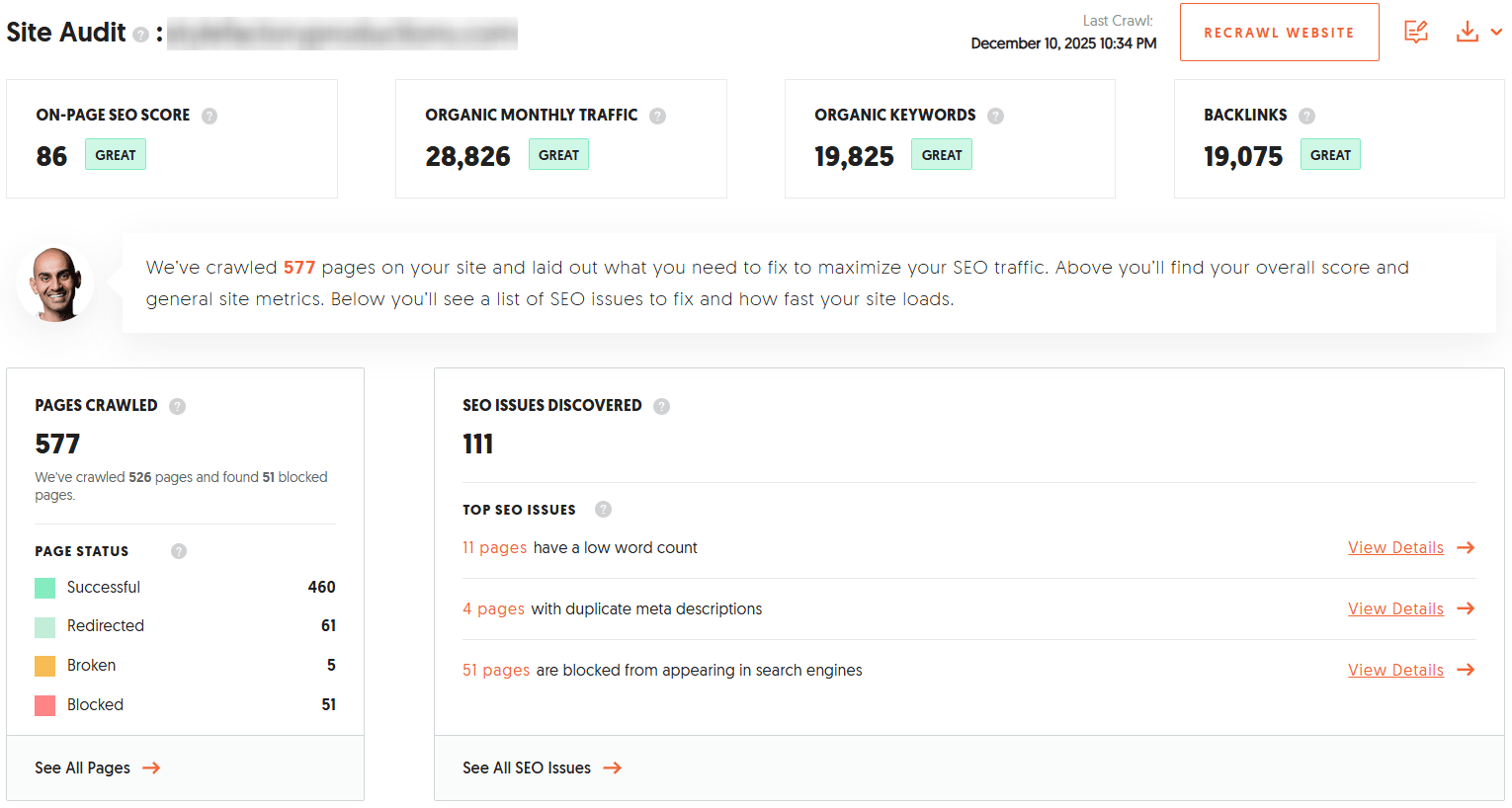
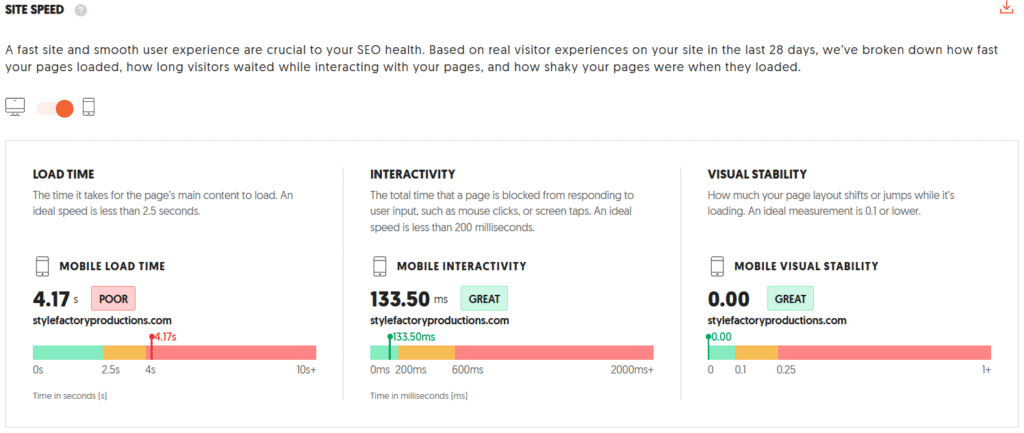
Ubersuggest’s site audit identifies common issues like:
❯ Missing meta tags
❯ Slow-loading pages
❯ Broken links
❯ Duplicate content
❯ Basic on-page problems
The layout is beginner-friendly and explains each issue clearly. This helps new users understand what’s holding their site back without technical jargon.
The limitation appears with larger sites. Crawl depth caps can be restrictive, and the audit doesn’t provide the more detailed technical breakdowns seen in professional-grade tools. For a starter site, it’s perfect. For an authority site, you’ll want more depth and better crawl intelligence.
Rank Tracking
Ubersuggest’s rank tracking tool is simple, but that’s exactly why many beginners enjoy working with it. You add your keywords, choose your target country or city, and the tracker shows you how your positions change over time. It doesn’t try to overwhelm you with dozens of filtering options. Instead, it focuses on giving you a clear picture of whether your website is moving up, slipping, or holding steady.
One thing users appreciate is how easy it is to interpret the trend lines. If a keyword drops, you see it immediately. If a page starts gaining visibility, the growth shows up without needing advanced configuration. For small websites or early-stage blogs, this kind of clarity helps you understand which pieces of content deserve attention and which ones might need rewriting. It’s also a useful motivator because you can literally watch your progress unfold day by day.
That said, Ubersuggest doesn’t attempt to match the depth of professional tracking platforms. You won’t find daily regional snapshots, competitor overlays, or device-level comparisons like you get in SE Ranking (a perfect internal link spot, since your SE Ranking Review covers how precise tracking works at scale). But for someone who just wants to follow a handful of keywords and keep an eye on general visibility, Ubersuggest gets the job done smoothly.
Another benefit is how the rank tracker ties back into the platform’s broader features. When a page loses positions, you can jump directly into the audit or backlink section to investigate the cause. It keeps everything in one workflow, which is ideal for users who don’t want six different tools open at once.
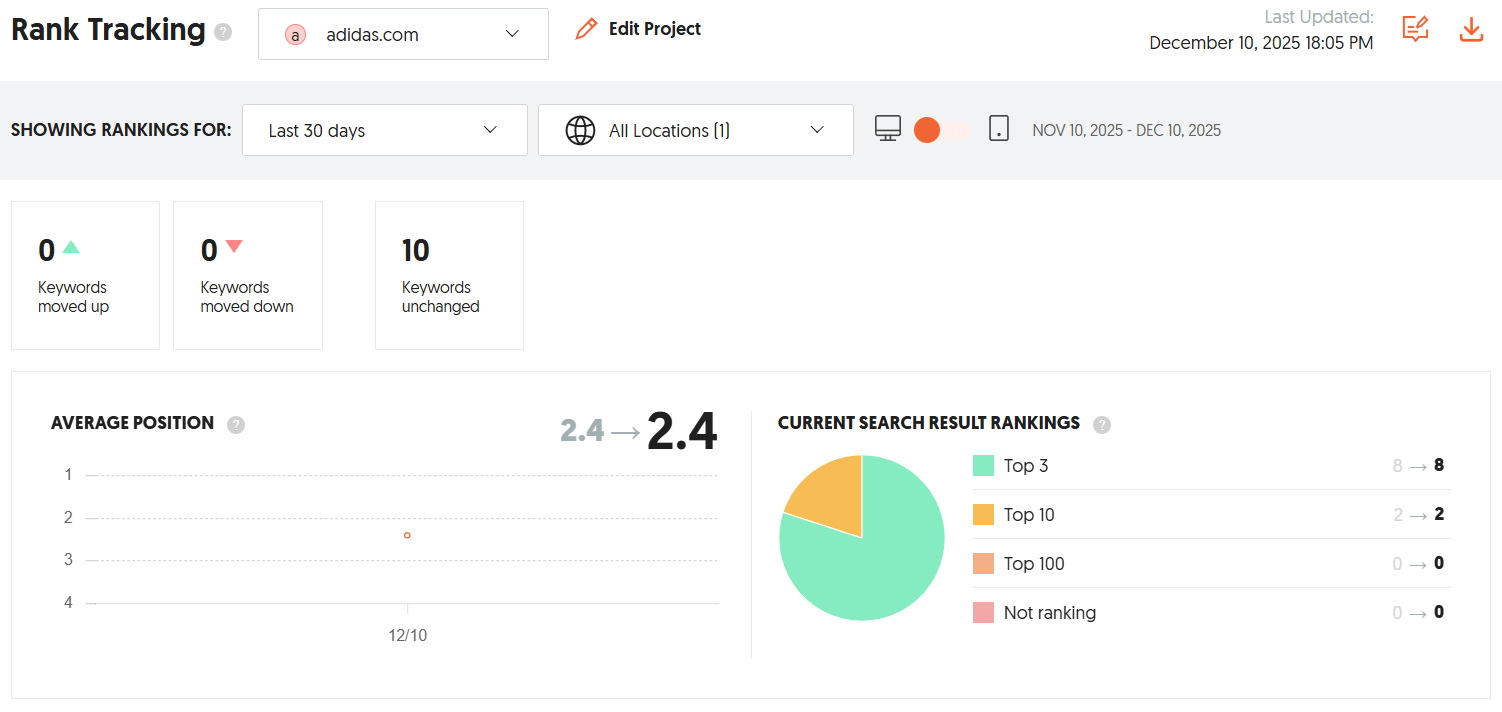
Because rank tracking is one of SE Ranking’s standout features, you can check our SE Ranking Review.
Backlink Tools
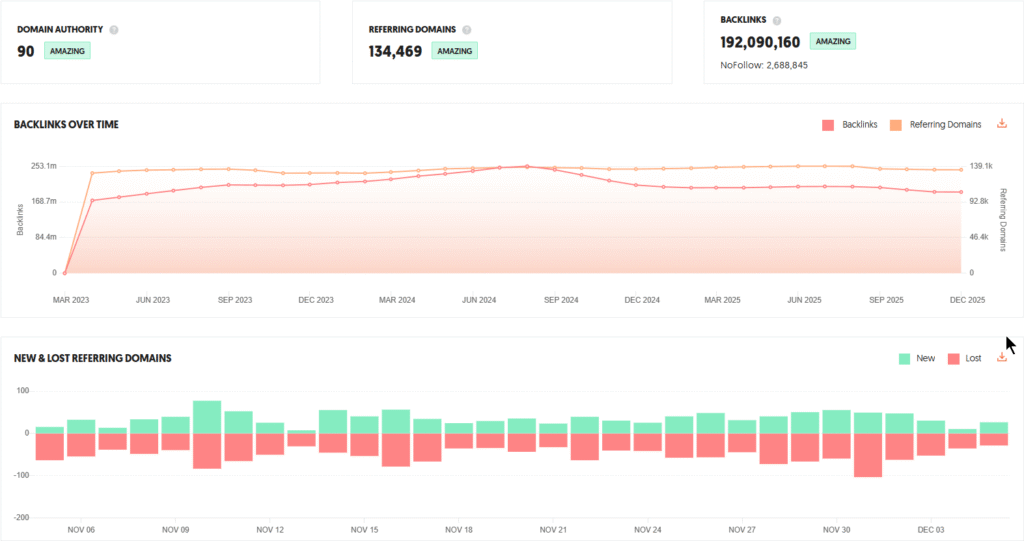
Ubersuggest’s backlink module is one of those features that feels surprisingly approachable, especially if you’ve never analyzed backlinks before. The layout is clean, the numbers are easy to read, and you get an instant sense of how your site is being referenced across the web. For beginners, this alone can spark important questions:
Which links are helping me? Which ones look suspicious? Why did I gain or lose links this week?
The tool shows you referring domains, new and lost links, anchor text distribution and basic authority metrics. It’s enough to understand the shape of your link profile without getting buried in technical detail. Many small website owners actually prefer this simpler approach because it removes the intimidation factor that comes with larger backlink databases.
Where the limitations appear is in depth. Ubersuggest’s index isn’t built to compete with heavyweight platforms, so you’ll occasionally see missing backlinks or smaller totals compared to more advanced tools. Filtering options are also fairly minimal. If you’re running outreach campaigns, building link partnerships, studying competitor acquisition patterns or working in a competitive niche, you’ll quickly want something more detailed.
If you want to understand how a massive backlink index can influence your link-building strategy, our Ahrefs Review 2025 breaks this down in detail. And if you’re comparing an easy-to-use entry-level platform with a more advanced SEO suite, our SE Ranking Review offers a helpful side-by-side perspective.
Still, for everyday monitoring, Ubersuggest handles the essentials well. If you simply want to check whether you’re gaining links over time, see where they come from and spot unusual drops that might hint at a problem, the platform is more than capable. It keeps backlink analysis from becoming overwhelming, which is exactly what most beginners need.
Content Ideas & AI Tools
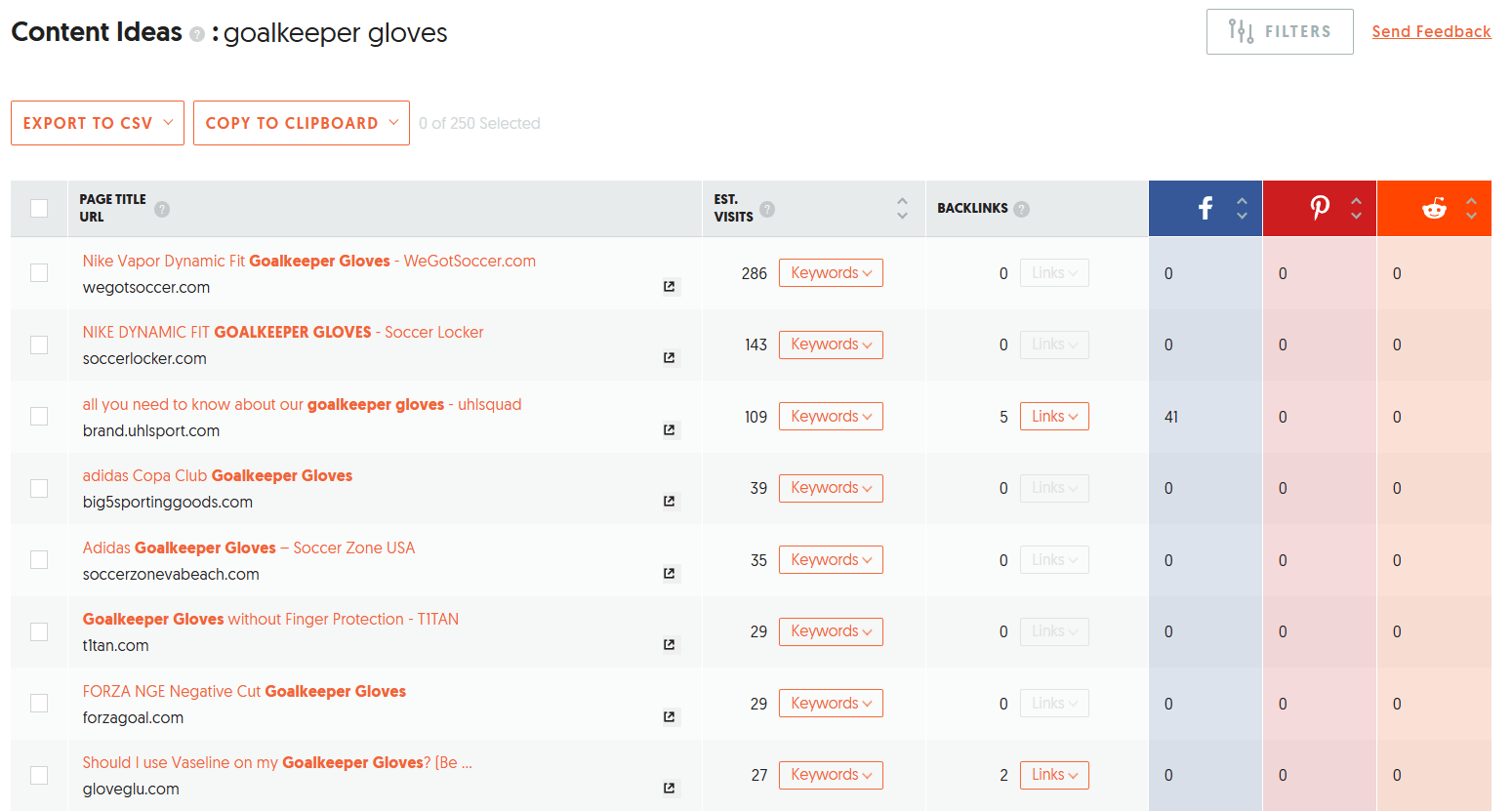
One feature beginners truly appreciate in Ubersuggest is the content ideas tool. It gathers topics from what’s trending, what competitors are ranking for and what people are actively searching. The suggestions feel practical rather than random, which makes it easier to map out articles without staring at a blank page.
The AI writing tools build on this by helping you shape early drafts or outlines. They’re useful when you want momentum, not perfection — a way to turn ideas into structure quickly. The output still needs refinement, especially if you want personality or deeper SEO strategy behind your content, but as a brainstorming companion, the AI tools save time and reduce friction.
Creators who want sharper, search-ready articles often pair Ubersuggest’s ideas with a dedicated optimization tool. If improving the quality and competitiveness of your content is a priority, you might find our Surfer SEO Review 2025 useful—it explains how Surfer helps you shape content that aligns with high-ranking search results.
Feature Takeaway
Ubersuggest’s strength lies in its simplicity. Every feature is accessible, visually clean and designed for people who want guidance without complexity. You get keyword research, site audits, competitor insights, rank tracking, backlink data and AI content assistance all in one place.
The limitation is depth. Once your site grows, you’ll eventually bump into accuracy ceilings, data restrictions and feature caps. For the early stages of your SEO journey, Ubersuggest is friendly and supportive. For aggressive growth or high competition niches, upgrading to a more advanced platform becomes the natural next step.
The Pros: Where Ubersuggest Helps You Win Early
-
It’s one of the easiest SEO tools for beginners to adopt.
Every feature is laid out cleanly, so if you’re new to SEO, the tool removes friction. You can understand keyword demand, run site health checks and analyze competitors without formal SEO training. -
Keyword research is fast and visual.
The Keyword Overview screen shows search volume, difficulty and SERP context in seconds. For new content creators, this helps you validate ideas before writing. -
Competitor insights are simple but effective for small sites.
You can quickly see what brings traffic to competitor domains. Pair this with a strategy post like your Best Keyword Research Tools for 2025, which helps users compare Ubersuggest’s strength to more advanced platforms. -
Affordable pricing with occasional lifetime deals.
Budget-conscious users find Ubersuggest appealing because it keeps monthly costs predictable without limiting entire features behind paywalls. -
AI assistance speeds up content planning.
If you struggle with brainstorming, the Content Ideas tool provides guidance that many beginners consider a creative safety net.
The Cons: Where Ubersuggest Shows Its Limits
-
Data accuracy isn’t as strong as higher-end tools.
Search volume ranges can be wide, and backlink data often lacks the depth required for advanced link-building strategies. For readers who need stronger datasets, linking to your SE Ranking Review helps them see what an upgrade looks like. -
Audit detail is limited for complex websites.
Once your site grows past a few hundred pages, you might notice missing crawl depth, fewer technical checks and less granular reporting. This is where tools designed for scalability begin to outperform Ubersuggest. -
Rank tracking is functional but not built for professionals.
You can follow trends, but granular insights, multi-region views and advanced comparison modes are missing. For agencies or serious content publishers, this becomes a bottleneck. -
Affordable pricing with occasional lifetime deals.
Budget-conscious users find Ubersuggest appealing because it keeps monthly costs predictable without limiting entire features behind paywalls. -
AI assistance speeds up content planning.
If you struggle with brainstorming, the Content Ideas tool provides guidance that many beginners consider a creative safety net. -
Long-tail exploration can feel shallow.
Ubersuggest suggests ideas, but the variety doesn’t match the discovery engines in more advanced tools. Users who need deeper keyword clusters often end up exploring alternatives after a few months.
Who Ubersuggest Is Best For in 2025
Ubersuggest is a great fit if you’re:
❯ Running a small blog or personal site
❯ Growing at a slow, steady pace and still getting comfortable with SEO
❯ Publishing new content every now and then
❯ Working with a limited budget
❯ Managing just one or two projects at a time
In these situations, the tool keeps things simple and gives you what you need without overwhelming you.
It starts to feel limiting if you:
❯ Juggle several websites
❯ Need highly accurate keyword or backlink metrics
❯ Compete in tougher, data-driven niches
❯ Rely on detailed technical audits
❯ Track rankings across large portfolios
If your SEO responsibilities go beyond managing a single site and require more power, automation, or reporting flexibility, you’ll likely appreciate the tools featured in our Best SEO Tools for Agencies (2025 Edition)—they’re designed with demanding workflows in mind.
What Real Users Like About Ubersuggest
-
What Real Users Like About Ubersuggest
❯ On review sites and feedback threads, some users say Ubersuggest is “great for keyword ideas and quick content planning.” One user wrote they use it “to get a rough sense of keyword demand and low-hanging fruit before writing.” This matches its value as a beginner-friendly SEO tool — a fast way to validate content ideas without heavy setup.
❯ Several reviewers appreciate the simplicity: they note that Ubersuggest’s interface is clean, easy to understand, and doesn’t overwhelm — ideal for small blogs or new sites.
❯ For people running small sites or working solo, the backlink overview and basic audit functionality are valued as easy sanity-checks (even if not deep). It gives a quick sense of whether a site looks “healthy enough.”
These comments support the idea that Ubersuggest offers real utility to small to mid-level users who need affordable, low-barrier SEO tools.
What Users Criticize or Warn Against
-
What Users Criticize or Warn Against
❯ Some users report that keyword volume and search-volume estimates can be unreliable compared to more robust SEO tools — meaning results should be taken as rough guides rather than gospel.
❯ In backlink data, several reviewers say the index feels “light” — that sometimes expected links don’t show up, or the referring-domain count seems lower than what they know exists. For heavy link-building or competitive niches, this unreliability becomes a liability.
❯ As websites grow, a recurring complaint is that limitations become more apparent: crawl depth for audits is shallow, data caps make frequent monitoring difficult, and the tool struggles with large content bases.
Final Verdict: Is Ubersuggest Worth It in 2025?
Ubersuggest is one of those tools people remember fondly when they’re first getting into SEO. It’s simple, friendly and doesn’t overwhelm you with endless dashboards. If your website is still small or you’re learning the basics, Ubersuggest gives you enough guidance to start making decisions with confidence. You get keyword ideas within seconds, a clear view of your site’s health and insight into what’s helping competitors attract traffic.
Where Ubersuggest loses momentum is when your goals evolve. Once rankings start to matter, once you publish regularly, once you care about accuracy or deeper strategy, you’ll feel the limits quickly. The data isn’t as detailed, the audits aren’t as technical and the backlink index can’t compete with full-stack SEO tools. That’s not a flaw — it simply reflects who the tool is built for.
If you’re growing and want more precise data, better audits and stronger rank tracking, you’ll get far better long-term value from a full-suite platform. Many readers who reach that stage naturally explore tools like SE Ranking, and your SE Ranking Review is a great next read for anyone who wants to understand what a more complete SEO environment looks like. Likewise, if someone is comparing broader alternatives, the Semrush Review 2025 gives context around premium-level features.
At the same time, if content optimization is your bottleneck and you want each article to land stronger, your Surfer SEO Review 2025 is a perfect internal link because Surfer helps tighten the quality of every piece you publish.
Ubersuggest is a tool that supports you in your early steps. It removes barriers, makes SEO feel accessible and helps you build consistency. That’s a win. Just don’t expect it to carry you forever. Think of it as your launchpad — not your entire SEO engine.